DIY Bioplastic Suncatchers: Nature's Art!
Introduction
Hello, fellow crafters! Today, I'm thrilled to share a delightful project that merges creativity, sustainability, and the beauty of nature: DIY Bioplastic Suncatchers. These charming little pieces of art not only brighten up your windows but also serve as a wonderful way to engage with the environment and teach children about sustainability in a hands-on manner. If you're looking for a unique, eco-friendly craft that you can proudly hang in your home or give as a thoughtful gift, you've come to the right place!
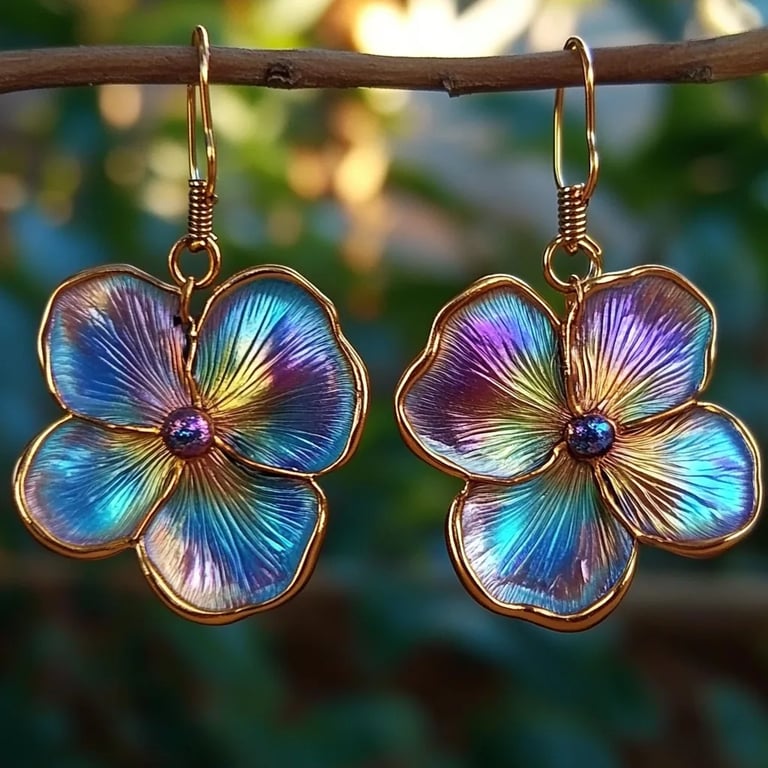
Bioplastic suncatchers are a fantastic alternative to traditional plastic crafts, as they can be made from natural materials and have a much lower environmental impact. Featuring vibrant colors that dance in the sunlight, these suncatchers are perfect for brightening up rainy days or welcoming springtime blossoms. Whether you hang them indoors or outdoors, they will surely bring a splash of color to any space.
In this tutorial, I’ll walk you through each step of creating your own bioplastic suncatchers, provide tips for success, and share personal anecdotes to inspire your crafting journey. So, gather your materials, and let’s dive into the world of nature-inspired art!
Materials You'll Need
Before we get started, here's a list of everything you’ll need for this project:
- Natural Materials: Dried flowers, leaves, herb sprigs, or even colorful fruit peels.
- Biodegradable Material: You can use cornstarch or gelatin as the main ingredient to create the bioplastic material.
- Water: For mixing with the cornstarch or gelatin.
- Food Coloring: Optional, for adding vibrant hues to your suncatchers.
- Molds: Cookie cutters, silicone molds, or any shape you like for your suncatchers.
- Wax Paper or Parchment Paper: For laying out your creations while they dry.
- Cooking Pot: For preparing the bioplastic mixture.
- Heat Source: A stove or hot plate.
- Spoon: For stirring the mixture.
- Sponge or Brush: To apply the mixture to your molds.
DIY Bioplastic Suncatchers: Step-by-Step Tutorial
Now that we have our materials in place let’s get crafting! I recommend setting up your workspace in a well-lit area, as good lighting will help you see the colors and textures as you work.
Step 1: Prepare the Bioplastic Mixture
Why It Matters: This is the foundation of your suncatcher. A good bioplastic mixture will ensure that your suncatcher holds together well and has a nice sheen.
- Combine Ingredients: In your cooking pot, mix 1 part cornstarch (or gelatin) with 4 parts water. If you’re using cornstarch, be sure to stir it in gradually to prevent clumps from forming.
- Heat the Mixture: Place the pot on a stove and heat on low to medium heat. Stir continuously until the mixture thickens. This usually takes about 5-10 minutes.
What Could Go Wrong: If your mixture becomes too thick, it can be challenging to pour into molds. The solution? Add a tiny splash of water to loosen it back up. Conversely, if it’s too runny, it may not set properly.
Step 2: Add Color (Optional)
Why It Matters: Color enhances the beauty of your suncatchers and makes them more appealing.
- Mix in Food Coloring: Once the mixture has thickened, add a few drops of food coloring and stir until you achieve the desired hue.
Tip: Experiment with different colors! Combine shades to create a marbled effect or use natural coloring agents like beet juice or turmeric for a more eco-friendly approach.
Step 3: Assemble Your Suncatchers
Why It Matters: This step transforms your bioplastic into a beautiful piece of art.
- Lay Out Your Greenery: On your wax or parchment paper, arrange your dried flowers, leaves, or fruit peels.
- Pour the Mixture: Carefully pour the bioplastic mixture over the natural elements, ensuring everything is covered.
What Could Go Wrong: If the mixture is too thick and difficult to pour, you can work quickly to spread it gently over the flowers with a spoon or small brush.
Step 4: Let Them Set
Why It Matters: Allowing your suncatchers to dry completely ensures they will maintain their shape and durability.
- Drying Time: Let your suncatchers sit at room temperature until they are firm. This could take anywhere from a few hours to overnight, depending on the thickness of the suncatcher.
- Check for Curling: If the edges begin to curl while drying, gently press them back into shape with your fingers.
Step 5: Finishing Touches
Why It Matters: Adding a little flair at the end gives your suncatchers that personal touch.
- Remove from Molds: Once completely dry, gently peel the suncatchers off the wax paper.
- Create Hanging Loops: If you’d like to hang your suncatchers, you can create a small loop using twine or string and adhere it to the top with a dab of the bioplastic mixture.
Step 6: Display Your Suncatchers
Why It Matters: This is the moment you’ve been waiting for!
- Choose Your Location: Hang them in a window where natural light can shine through, or take them outdoors to a sunny spot.
- Revel in Your Creation: Watch as the sunlight dances through the colors and patterns of your unique suncatchers!
Tips, Variations & Personal Anecdotes
- Experiment with Shapes: Try using different molds to create various shapes. Hearts for Valentine’s Day, leaves for fall, or stars for summer nights!
- Food-safe Materials: If you’re using real fruit parts, remember that these may attract pests or pests in the kitchen. So, best to keep those outdoors!
- Make it a Group Activity: I often host crafting parties where we all make suncatchers together. It’s a fantastic way to bond with friends and family, as everyone can express their creativity.
Safety Warnings
- Hot Surfaces: Be cautious when working with a hot stove and boiling mixtures. It’s always a good idea to keep children supervised.
- Ventilation: If you’re using food coloring, ensure your workspace is well-ventilated to avoid inhaling any particles.
Final Thoughts
Creating bioplastic suncatchers is a beautifully rewarding craft; it allows us to appreciate the wonders of nature and brings a splash of color to our lives without the environmental guilt that often comes with traditional crafts. Plus, the process of creating—from gathering the materials to mixing and molding—is both meditative and fulfilling.
Now it's your turn! I encourage you to try your hand at making these suncatchers. I look forward to seeing your creations on social media, so don’t hesitate to share your beautiful works of art. Happy crafting! 🌞