Discover the Joy of Baking Soda Painting: A Step-by-Step Guide
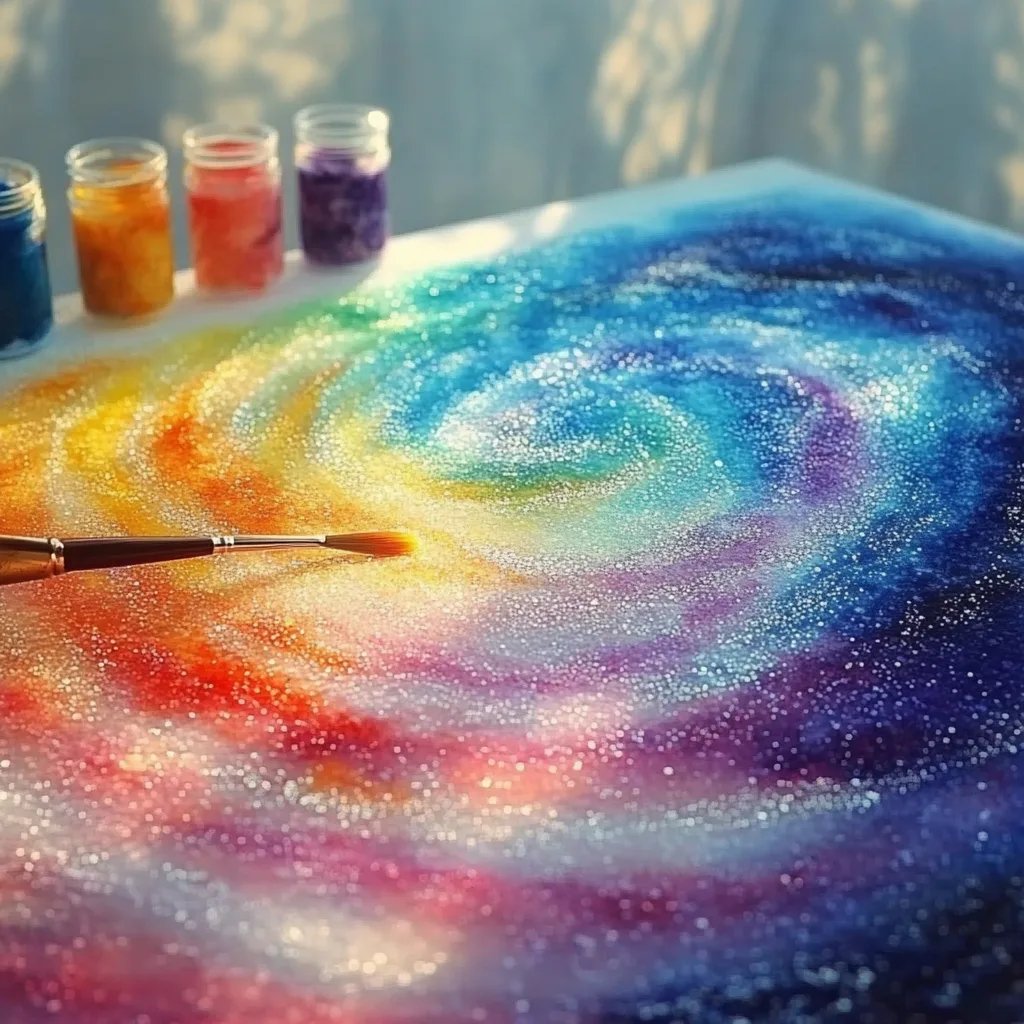
Hello fellow craft enthusiasts! As an experienced crafter and avid painter, I’m excited to share a fun and creative technique that might just be your new favorite project: Baking Soda Painting. This delightful method combines the science of chemistry with the joy of artistry, resulting in unique and beautiful creations that are perfect for all ages. Whether you're crafting with kids on a rainy day or adding a personal touch to your home decor, baking soda painting is versatile, easy to execute, and affordable.
What is Baking Soda Painting?
Baking soda painting, as the name suggests, involves using baking soda as a key ingredient in your paint mixture. This not only provides texture but also creates stunning, bubbly effects when the paint is activated with vinegar. It's popular because it allows for a hands-on, sensory experience – perfect for kids and adults alike!
This unique painting style makes use of common household items, which means there's no need to make a special trip to the craft store. Whether you're looking to create a textured background for your canvas or exploring vibrant, fizzy explosions of color, baking soda painting is a delightful medium.
When Can You Use Baking Soda Painting?
You can explore baking soda painting whenever creativity strikes. It works beautifully for:
- Kids' art projects – a fantastic way to engage young minds while developing fine motor skills.
- Creative home decor – personalize your living space with unique textural art pieces.
- Seasonal crafts – make holiday cards or decorations that stand out from the usual fare.
- Science experiments – incorporate a bit of learning into your fun, teaching kids about chemical reactions in a playful way.
Gather Your Materials
Before diving into this exciting project, let's discuss the materials you'll need. For this baking soda painting adventure, you’ll need:
- Baking soda (1 cup) – the star of our show.
- White vinegar (1/2 cup) – for that explosive fizz.
- Food coloring or liquid watercolors – create vibrant colors tailored to your vision.
- Cold water (1 cup) – to mix with the baking soda.
- Mixing bowl – to combine your ingredients.
- Paintbrushes – I recommend various sizes to create different effects.
- Paper or canvas – a sturdy substrate, like watercolor paper or a canvas, to paint on.
- Plastic cup or container – for pouring the vinegar (to control the fizz).
- Protective table cover/newspaper – the fizz can get messy!
- Optional: gloves – to keep hands clean and for easy cleanup afterwards.
Step-By-Step Guide to Baking Soda Painting
Now that we have everything arranged, let’s get started on creating our baking soda masterpiece!
Step 1: Prepare Your Painted Mixture
In a mixing bowl, combine 1 cup of baking soda and 1 cup of cold water. Stir well until the baking soda is fully dissolved. This mixture serves as your paint base.
Tip: Ensure there are no lumps in your mixture, as these can create unexpected textures that might not be desirable in your artwork!
What could go wrong: If your baking soda doesn’t dissolve completely, it may clump on your paper or canvas. If this happens, simply add a bit more water and mix until smooth.
Step 2: Introduction of Color
Once you have your base ready, it’s time to introduce some color! Add a few drops of food coloring or liquid watercolors to your baking soda mixture. Mix well to combine.
Personal Anecdote: I love using shades of blue and green for ocean themes, while reds and yellows create a warm sunset vibe. Experimenting with different color combinations is half the fun!
Pro Tip: You can prepare multiple bowls with different colors to create a vivid, multi-hued piece simultaneously.
Step 3: Paint Your Design
Grab your paintbrush and start applying the mixture onto your chosen surface. Feel free to create abstract designs or representational art – the sky's the limit!
What could go wrong: If the paint thickens too much as you’re painting, it may not spread well. Just add a little more water to thin it down.
Step 4: Activate the Fizz
This is where the magic happens. After you've completed your design, pour a small amount of white vinegar into a plastic cup. Using a dropper or your paintbrush, drip the vinegar on your painted surface.
Watch—it’s fizzing time! The reaction will create beautiful bubbling effects that push the paint and create texture.
Alternative Method: If you want to experiment further, you can add baking soda directly onto your painted area before applying vinegar for heightened fizz and unique 3D textures.
Step 5: Allow to Dry
Once you're satisfied with your baking soda painting, let it dry completely. This may take a few hours, so it’s a good time to tidy up!
Safety Warning: Ensure your workspace is well-ventilated, especially if using lots of vinegar, as the fumes can be strong for some people.
Tips for Success
- Experiment with Texture: Depending on how much baking soda you use, the texture can vary. Adjusting the ratio of baking soda to water can yield different painting effects!
- Try Different Substrates: Mix it up by trying out cardboard, canvas boards, or even fabric. Just be informed your drying times may vary.
- Use a Hairdryer: To speed up drying, you can gently use a hairdryer on low heat to expedite the process.
- Store Leftover Paint: If you have excess paint, store it in an airtight container for a day or two. Just remember to stir it well before using again.
- Add Mixed Media: Don’t hesitate to incorporate other supplies like glitter, beads, or additional paints for an added effect!
Creative Variations
- Seasonal Themes: Use pastels for spring flowers or darker colors for an autumnal palette.
- Layering Techniques: Let the first layer dry completely before adding more baking soda paint to create depth.
- Textured Cards: Use this technique to create playful greeting cards that pop when opened!
Final Thoughts
Baking soda painting is not only an engaging craft, but it also opens the door to endless creativity, especially for kids. I’m always excited to see where my imagination takes me with each painting session, and I hope you too will fall in love with this fun and easy technique.
So gather your materials, unleash your creativity, and remember: every great artist was once an amateur. Happy crafting, and I can't wait to hear about your colorful creations!