Dino Dig Activity: An Incredible Ultimate Adventure for 5 Kids
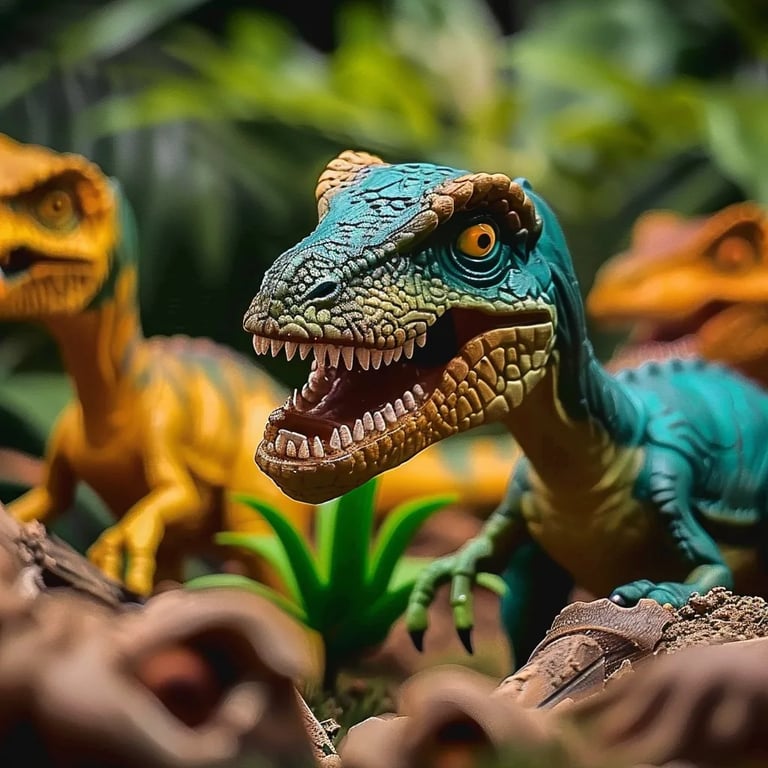
Dino Dig Activity provides an amazing opportunity for children to explore the fascinating world of dinosaurs. With a hands-on approach, kids can dig up dinosaur bones and fossils, creating a thrilling adventure that combines learning and fun. This interactive activity sparks curiosity in young minds and encourages exploration of natural history. Whether for a birthday party, a school project, or simply a weekend at home, the Dino Dig Activity promises an unforgettable experience.
Engaging kids in a Dino Dig Activity cultivates an interest in science and paleontology. It's an educational tool that makes learning enjoyable. The excitement of uncovering "fossils" allows them to imagine what it might have been like during the age of dinosaurs. As they dig through the materials, children not only learn but also build their motor skills, teamwork, and patience.
The Dino Dig Activity is suitable for various age groups, making it incredibly versatile. You can adapt the experience based on the number of participants, their ages, and the environment. Furthermore, this activity can be conducted indoors or outdoors, allowing you to choose the best setting to fit your plans. In this article, we will explore the reasons why the Dino Dig Activity is a must-try, how to prepare for it, and valuable tips for organizing your dig.
Why You'll Love This Dino Dig Activity
There are several reasons why the Dino Dig Activity is not just entertaining but also incredibly beneficial. Here are some fantastic features that make this activity a joy for kids and adults alike:
- Hands-On Learning – Children learn best when they can interact with their environment. This activity immerses them in hands-on exploration.
- Encourages Curiosity – The mystery of dinosaurs ignites children's natural curiosity, prompting them to ask questions and seek answers.
- Promotes Teamwork – Kids can work together in groups, nurturing collaboration and communication skills while they unearth treasures.
- Fosters Imagination – As they dig, children can imagine themselves as real paleontologists, enhancing their creativity and storytelling abilities.
- Physical Activity – The digging aspect is a great way to engage kids physically, keeping them active and entertained.
- Educational Value – It teaches kids about fossils, prehistoric life, and even geological processes, making it a perfect educational activity.
The Dino Dig Activity transcends typical playtime, giving children a memorable experience that can positively impact their learning and development.
Preparation and Activity Time
Preparing for the Dino Dig Activity requires thoughtful planning, but it is well worth the effort. Here’s a breakdown of the necessary time and preparations:
- Preparation Time: About 30-45 minutes (to set up the digging site).
- Activity Time: Approximately 1-2 hours (based on the number of diggers).
- Cleanup Time: Around 30 minutes (to gather artifacts and clear the digging area).
These times may vary depending on the number of children involved and how complex you want the activity to be. However, planning for a total of 2 to 3 hours should cover everything, from setup to cleanup.
Materials Needed
- Sandbox or large container (for the digging area)
- Pliable material (such as flour, sand, rice, or plaster of Paris)
- Dino bones or fossils (plastic or resin replicas)
- Child-sized shovels and brushes
- Small buckets or trays (for collecting finds)
- Paintbrushes (for cleaning off fossils)
- Safety goggles (optional for safety)
- Markers and paper (for labeling fossils)
- Water (for cleanup)
Gathering these materials in advance will ensure a smooth and enjoyable digging experience for all participants!
Step-by-Step Instructions
Setting up the Dino Dig Activity is straightforward if you follow these simple steps:
- Choose a Location: Find a suitable spot, indoors or outdoors, with enough space for participants to dig comfortably.
- Prepare the Digging Area: Fill the sandbox or container with your pliable digging medium. Ensure it's deep enough to allow for interesting finds.
- Bury the Dino Artifacts: Before the activity begins, hide the dinosaur bones and fossils throughout the medium, making sure they are somewhat buried but still detectable.
- Gather Tools: Distribute shovels, brushes, and trays to each child to enhance their digging experience.
- Provide Safety Gear: If using safety goggles, hand them out to the kids at the beginning of the activity.
- Explain the Activity: Brief the children on what they will be doing, encouraging them to dig gently and to work as a team.
- Start Digging: Set a timer for the digging session, allowing children to explore and uncover their archaeological treasures.
- Catalog Findings: After the digging session, have kids label their findings with markers and paper, creating a mini museum exhibit of their fossils.
- Clean Up: Assist kids in cleaning the area and gathering any remaining materials.
Following these steps will ensure a successful and engaging Dino Dig Activity, filled with exploration and learning!
How to Serve
To enhance the overall experience of the Dino Dig Activity, consider these serving suggestions:
- Create a Dino-themed Snack Table: Offer snacks in fossil shapes or dinosaur-themed treats to maintain the excitement.
- Provide an Educational Component: After the digging, engage kids with fun facts about the dinosaurs they uncovered.
- Set Up a Sharing Circle: Allow children to share their finds and what they learned during the activity, fostering communication skills.
- Use Craft Supplies: Provide crayons, paper, or stickers, inviting kids to create their own dinosaur art to take home as a keepsake.
- Incorporate Storytime: After the dig, gather everyone to read a dinosaur-themed story, bridging the gap between fun and learning.
By implementing these ideas, the Dino Dig Activity will become a comprehensive learning experience, allowing children to enjoy their discoveries while acquiring new knowledge about the fascinating world of dinosaurs.
Additional Tips
- Stay Engaged: As children dig, ask questions about what they are finding. This keeps their interest piqued and encourages learning.
- Incorporate Books: Before starting the activity, read a dinosaur-themed picture book to set the atmosphere and provide context.
- Safety First: Make sure children understand to dig gently to avoid damaging the fossils or themselves.
- Customize the Experience: Tailor the depth of the dig and the number of artifacts based on the children’s age and interests.
Recipe Variation
There are many fun ways to customize the Dino Dig Activity. Here are a few suggestions:
- Different Digging Medium: Instead of sand, try using colored rice or flour for a unique texture and visual appeal.
- Surprise Elements: Add little surprises like mini dinosaur toys or stickers among the fossils to keep kids excited.
- Themed Costumes: Encourage kids to dress up as paleontologists or dinosaurs to enhance the immersive experience.
- Craft Time: After digging, let kids create their own dino-inspired crafts, like fossil prints using modeling clay.
Freezing and Storage
- Storage: After the activity, if any materials remain, you can store them in a cool, dry place for future use.
- Reuse: If you used reusable dinosaur fossils, clean and store them for another round of digging later.
Special Equipment
Here are some essential tools and materials for ensuring a smooth Dino Dig Activity:
- Digging Tools: Shovels, brushes, and buckets are crucial for the hands-on experience.
- Containers: Have bins or trays handy for collecting finds and displaying them.
- Cleaning Supplies: Gather damp cloths or paper towels for cleaning fossils after discovery.
- Trowels: Provide metal or plastic trowels to help with careful digging without damage.
Frequently Asked Questions
What age group is best for the Dino Dig Activity?
Children ages 4 to 10 enjoy this activity the most, but it can be adapted for older kids as well.
How can I make the activity more educational?
Incorporate facts about dinosaurs, fossils, and paleontology discussions throughout the digging process.
Can this activity be used for larger groups?
Absolutely! Just ensure there are enough tools and space for everyone to dig comfortably.
What if my digging medium gets messy?
Consider setting up a designated cleanup area where kids can shake off dirt and wash their hands.
How often can I host a Dino Dig Activity?
You can host this activity as often as you like! Regularly changing the fossils or digging medium keeps it fresh and exciting.
Conclusion
The Dino Dig Activity offers a unique blend of education and fun for children. It sparks curiosity about dinosaurs while teaching teamwork, patience, and motor skills. By following the steps outlined in this article, you can create a memorable experience for kids that will last a lifetime. The excitement of finding "fossils" leaves a lasting impression, allowing children to explore their interests in science and history. This adventure not only captivates their imaginations but also creates cherished memories. So grab your digging tools, prepare your materials, and get ready for an extraordinary adventure into the prehistoric past!