Creating Sweet Masterpieces: A Comprehensive Guide to Sugar Water Painting
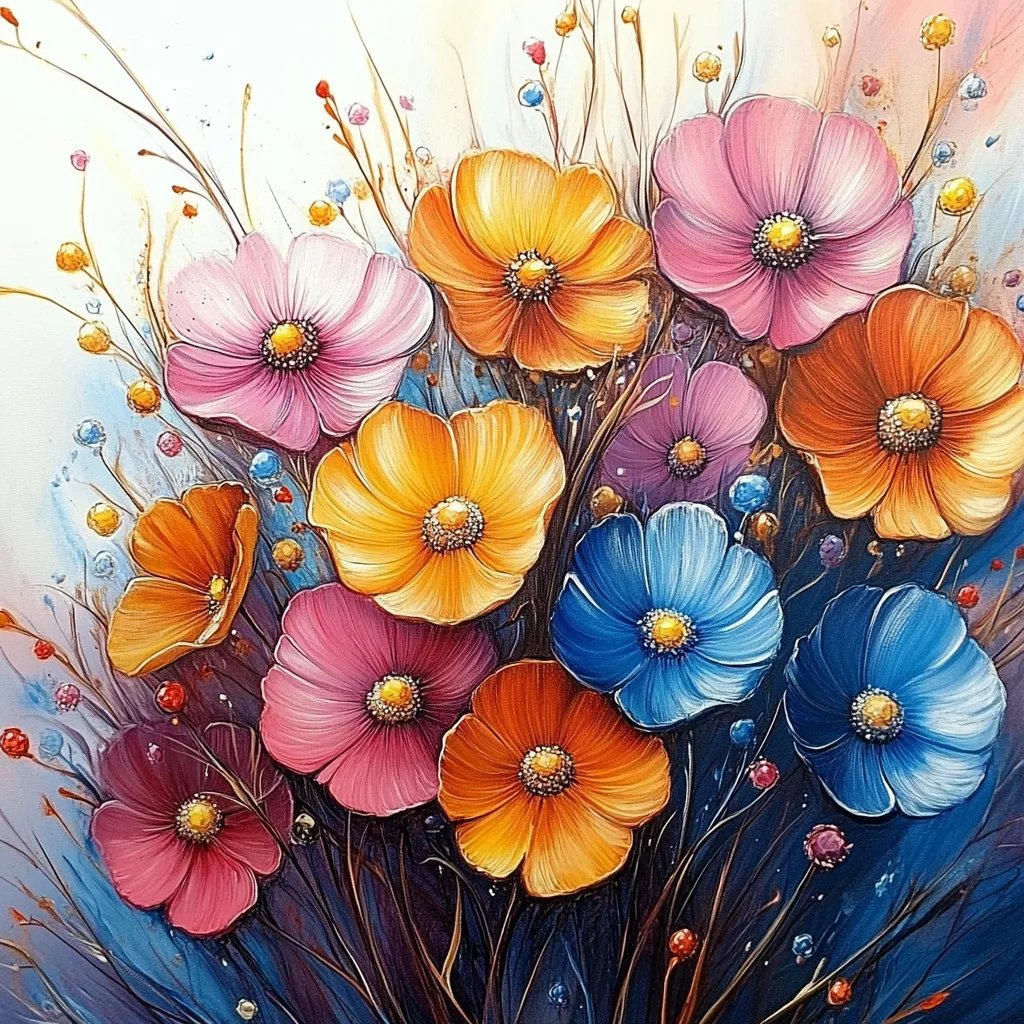
Hello fellow crafters! Today, I’m flooding this space with creativity—literally—with one of my most cherished DIY projects: Sugar Water Painting. This colorful concoction combines simple ingredients to make an extraordinary art medium that delights both the young and young-at-heart.
You might be wondering, “What exactly is sugar water painting, and why is it so popular?” Well, as someone who has dabbled in various art forms, I can tell you that sugar water painting is a unique method that allows you to paint vibrant, edible art. It’s not just eye-catching; it’s an engaging activity that can be enjoyed during craft sessions, birthday parties, or even as an educational tool in classrooms. Whether you're a parent wanting to foster creativity in your children or an adult looking for a novel way to create art, sugar water painting is a fantastic choice.
Why Sugar Water Painting?
Sugar water painting is cherished for numerous reasons:
- Easy to Make: With just two ingredients, it’s a breeze!
- Kid-Friendly: Safe for kids; even if they decide to taste it, there’s no harm done—just a sweet treat.
- Colorful Results: This technique yields bright, vibrant colors that appeal to artists of all ages.
- Versatile Use: You can use it for various occasions, such as birthday parties, school projects, or simply for fun on a rainy day.
So, let's dive into the nitty-gritty! Here’s how to make sugar water painting that’ll bring excitement to your crafting endeavors.
Materials You'll Need:
Basic Ingredients
- Sugar: 1 cup (granulated works best)
- Water: 1 cup (room temperature)
- Food Coloring: Your choice of colors (gel or liquid)
- Containers: Small cups or bowls for mixing colors
- Paintbrushes: Different sizes for different effects
Optional Ingredients
- Cornstarch: A tablespoon for thicker consistency (this helps if you like a thicker paint!)
- Lemon Juice: A few drops can aid in preservation if storing for later use.
- Vinegar: If you want a more substantial solution, vinegar can be added for flavor and stability.
Equipment
- Mixing spoons
- A dropper (helpful for transferring colors)
- An artist palette or large mixing container
- Paper or canvas board for painting (use watercolor paper for best results!)
Step-by-Step Tutorial
Now that you’ve gathered your materials, let’s embark on our sugar water painting journey! Here’s how to do it:
Step 1: Prepare the Sugar Water Mixture
- Combine Ingredients: In a mixing bowl, combine 1 cup of sugar and 1 cup of room temperature water.
- Stir Consistently: Use a spoon to stir the mixture until the sugar is completely dissolved. This is crucial! If not fully dissolved, your paints might not spread properly on the paper.
- What to Watch For: Ensure there are no granules left; cloudy water means some sugar particles are still intact.
- Fix It: If you notice granules, continue stirring or gently heat the mixture on low heat until everything dissolves, then let it cool. Do not boil.
Step 2: Add Color
- Divvy It Up: Pour your dissolved sugar water into several small cups or bowls, depending on how many colors you’d like to create.
- Add Food Coloring: Use your food coloring to dye each cup. Start with a drop or two and adjust based on how vibrant you want your colors.
- Color Tip: Mixing colors is fun! Try making purple by blending blue and red, or green by combining blue and yellow.
- Caution: Be careful with dark colors like blue and red, as they can stain skin, clothing, and surfaces.
Step 3: Get to Painting!
- Select Your Paper: Choose what surface you’d like to paint on. Watercolor paper works best for sugar water paint since it's sturdy and absorbs well.
- Grab Your Brushes: Dip your brushes into the sugar water paint, and start painting! Keep your strokes varied to explore different techniques—use light brush strokes for a wash effect or thicker ones for more vibrant lines.
- Helpful Hint: If the paint is too watery, you can add a tablespoon of cornstarch to thicken the mixture, allowing for more control in your brushwork.
Step 4: Let it Dry
- Once you’re done, let your artwork dry for several hours. The sugar will harden but remain slightly sticky due to its moisture content.
- Storing Your Paint: If you’ve made extra paint, you can store it in the fridge for up to a week. Just make sure to put it in an airtight container.
Troubleshooting Common Issues
- Disparate Colors: If your colors bleed into each other, it could be due to oversaturation or using too much water. Try lighter applications or allowing layers to dry before adding more.
- Too Sticky?: If your mixture is too sticky or syrupy, it could be because of too much sugar. Simply add more water to adjust the consistency.
Tips and Variations
- Experiment with Textures: Adding elements such as sand or glitter into the mixture can introduce new textures to your paintings.
- Make it a Learning Experience: Uses this method to teach children about color mixing or even basic chemistry with how sugar dissolves.
- Seasonal Themes: Around holidays, consider adding scents or colors related to the occasion—like red and green for Christmas or orange and black for Halloween!
Final Thoughts
Creating sugar water paintings is not just a simple craft; it’s an avenue for creativity, fun, and even a bit of science! As you experiment and navigate through colors and techniques, make sure you enjoy the process—this is where the fun truly lies.
There’s something sweetly satisfying about transforming everyday ingredients into edible art. I can almost taste those cascading colors on my brush! So grab your supplies, gather your friends, or let your children loose with some brushes, and dive into this delightful crafting journey. Happy painting!