Creating Stained Glass Glue Window Art: A Step-by-Step Guide
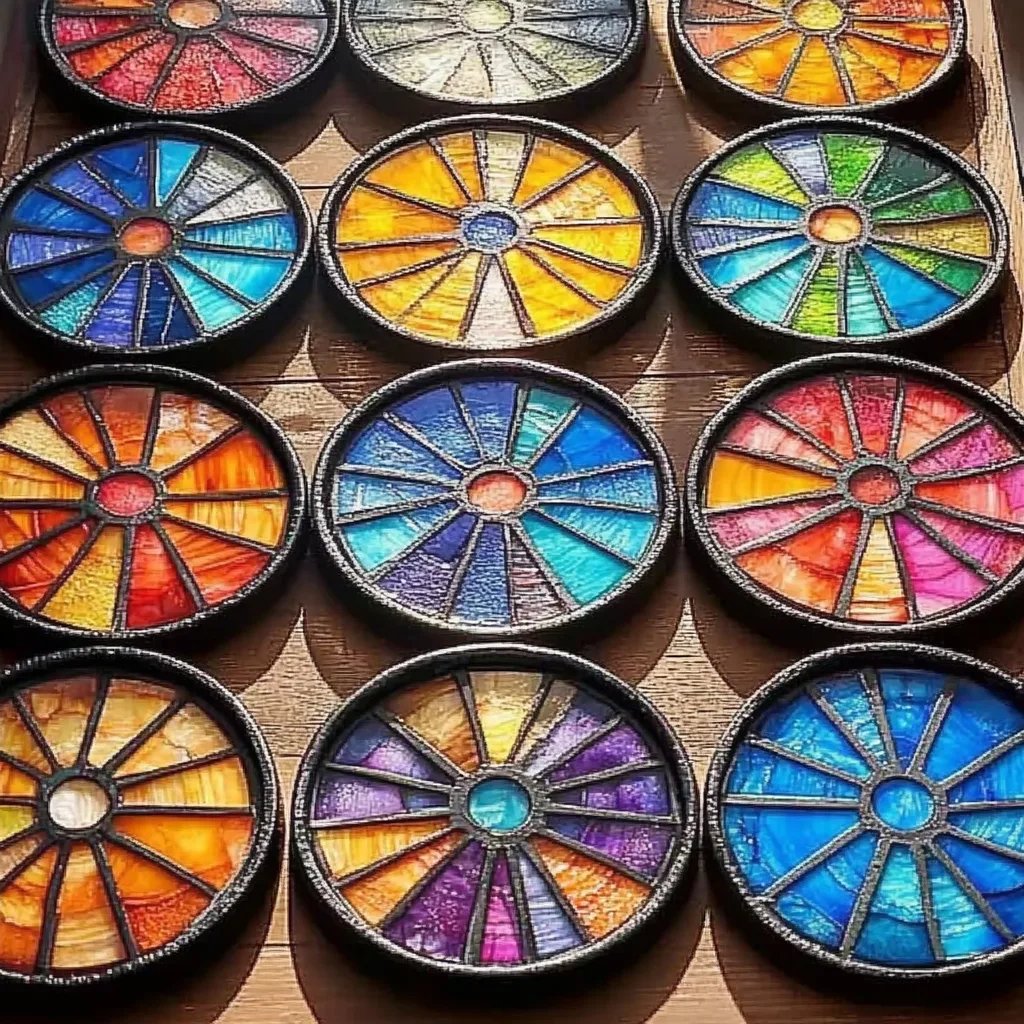
Welcome, fellow crafters! Today, I’m excited to share one of my favorite creative endeavors—making stained glass glue window art. This delightful craft has captivated me not just for its beauty but for the unique way it brings light and color into my space. Imagine how charming it is to see bursts of color shimmering on your walls, especially when the sun streams through. Stained glass glue art is very popular because it’s an accessible way to emulate the classic beauty of stained glass, without needing a ton of specialized tools or skills.
Whether you’re looking to add some color to your windowpanes, decorate for a holiday, or create a personal gift for someone special, making stained glass glue window art is an engaging way to express your creativity.
The Allure of Stained Glass Glue Art
One of the things I love about stained glass glue art is its versatility. You can create anything from simple geometric patterns to intricate designs featuring flowers, animals, or even abstract art. What’s more, this craft is suitable for all ages—children and adults alike can dive in with varying levels of complexity. I've found that it's a great activity for gatherings, parties, or even quiet days at home.
When Can You Use Stained Glass Glue Art?
- Home Decor: Brighten up a dull window or make a stunning feature piece.
- Gifts: Handmade window art makes for meaningful gifts.
- Holidays: Customize your art for Christmas, Halloween, or any occasion!
- Craft Parties: A fun and simple project for friends and families to get involved.
Now that we’ve covered the basics, let’s gather our materials and dive into the creative process!
Materials Needed
- Clear Glue: Look for a clear-drying glue, preferably Elmer’s or PVA glue.
- Food Coloring or Liquid Watercolors: Choose colors that inspire you.
- Wax Paper or Plastic Sheets: This will serve as your canvas.
- Paintbrushes: A variety of sizes will help with detailed work.
- Plastic or Paper Plate: For mixing colors.
- Optional: Glitter, beads, or other embellishments for added flair.
- Safety Gear: While our materials are generally safe, it’s good practice to have an apron and gloves handy.
Step-by-Step Tutorial
Step 1: Choosing Your Design
Before we jump into the gluing, think about the design you want to create. It could be something as simple as a flower or a heart, or something more intricate like a sunset.
Why It Matters: Planning your design helps to visualize the outcome and gives you a guide while you craft.
Tip: Sketch your design on a separate piece of paper or print one out. This can serve as a reference as you work.
Step 2: Preparing Your Workspace
Clear a flat surface for your crafting adventure. Lay down a protective layer (like newspaper or an old tablecloth), which will help catch any spills.
Safety Warning: Crafting can get messy! Make sure to protect your clothing and working surface.
Step 3: Mixing Colors
In a mixing palette (your paper plate), combine small amounts of clear glue with food coloring or liquid watercolors. Experiment with different ratios to achieve the desired shades, keeping in mind that the colors may appear lighter when dry.
Why It Matters: Properly mixed colors will ensure your stained glass art has the vividness you’re aiming for.
Step 4: Outlining Your Design
Using your paintbrush (preferably a small one), carefully outline your design on the wax paper or plastic sheet with clear glue. This outline will create the “leading” effect seen in traditional stained glass.
Tip: Apply the glue evenly, ensuring there’s no excess that can pool.
What Could Go Wrong: If your outline is too thin, it may break or not hold the color well. If it's too thick, it might take longer to dry.
Step 5: Filling in the Color
Now for the fun part! With a larger brush, fill in the outlined areas with your mixed colors. You can blend colors directly on the wax paper for additional depth and texture.
Personal Anecdote: I remember creating a vibrant sunset scene once. I mixed orange, yellow, and a touch of red right on the wax paper, and it turned out spectacular!
Step 6: Adding Details
If you’re feeling adventurous, you can add glitter, beads, or other embellishments to your piece while the glue is still wet.
Why It Matters: This is where your piece truly becomes unique. Personal touches bring your art to life!
Step 7: Letting It Dry
Once you’ve finished adding color and embellishments, carefully move your artwork to a completely flat, undisturbed area. The drying time can vary depending on the thickness of the glue but typically takes about 24 hours.
What Could Go Wrong: If the artwork is not flat, the colors may run or the design may warp during drying.
Step 8: Removing and Displaying
Once everything is dry, gently peel your art off the backing. If you’re using wax paper, this should be quite easy. Find a window or a place where sunlight can stream through and place your stunning new art.
Creative Variations
- Layering: Once dry, you can create a second layer of art on top for depth.
- Seasonal Themes: Swap out designs based on the time of year or upcoming holidays.
Conclusion: Embracing Your Inner Artist
Making stained glass glue window art is more than just a craft; it’s about expressing yourself and adding a splash of color to your life. Whether you’re creating for yourself or as a gift, I hope this guide has provided you with a clear pathway to unleash your creativity.
As with any craft, the more you practice, the better you’ll become! Don’t hesitate to experiment with your designs, colors, and techniques. Each piece you create will be a reflection of your unique artistic voice. Happy crafting, and may your windows shine beautifully with your stained glass creations!