Creating Silly Putty for Sensory Play: A Comprehensive Guide
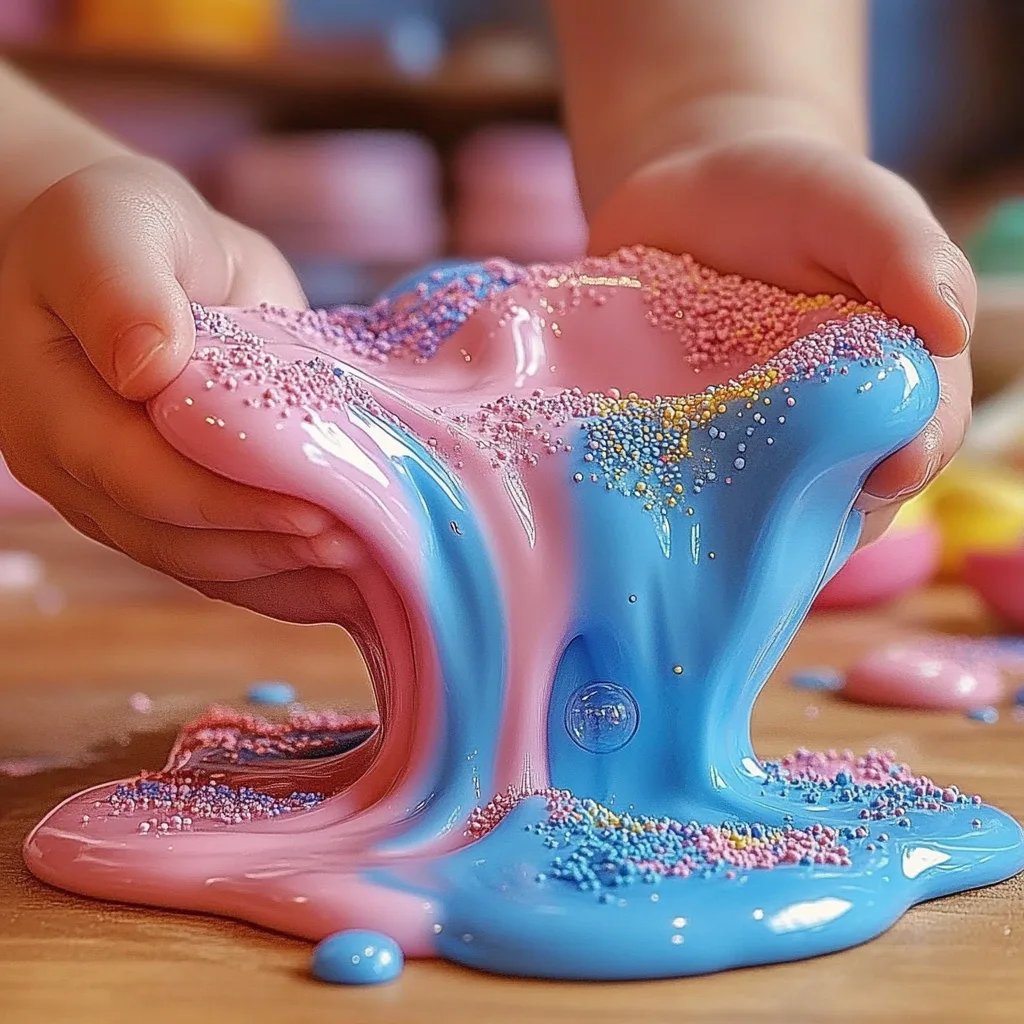
As an avid crafter with a love for all things sensory, I can confidently say that crafting Silly Putty is one of the most rewarding and enjoyable experiences you can have, especially for both kids and adults! Whether it's for a fun afternoon activity, stress relief, or simply a sensory experience, making Silly Putty at home is a fantastic project that yields endless possibilities for play and exploration.
What is Silly Putty?
Silly Putty is a silicone-based, malleable material renowned for its unique properties: it can bounce, stretch, and even pick up ink from newspapers and magazines! Kids adore it for its tactile qualities, while adults appreciate its stress-relieving capabilities. Because it can be shaped and transformed in myriad ways, Silly Putty is perfect for sensory play, helping to develop fine motor skills, encourage creativity, and provide a calming outlet.
Why is Silly Putty Popular?
Silly Putty is popular for many reasons:
- Endless Play Opportunities: Kids can stretch, squish, and bounce it, making it engaging for hours on end.
- Educational Benefits: It’s great for sensory play, which supports fine motor skills and creativity.
- Cost-Effective: Making Silly Putty at home is much cheaper than buying it in stores, and it can be customized to suit individual preferences.
- Safe and Non-Toxic: When made with simple ingredients, it’s safe for kids, making it a go-to crafting project for parents and educators.
When to Use Silly Putty?
There are countless occasions to whip up a batch of Silly Putty! Here are just a few:
- Rainy Day Activities: Perfect for indoor play on those dreary days.
- Stress Relief: A great tool for both kids and adults during stressful times.
- Educational Settings: Used in classrooms for sensory learning or fine motor skill development.
- Parties and Gatherings: A fun crafting station for children to make their own Silly Putty at birthday parties!
Now that you’re excited about the many uses, let’s dive into how to make Silly Putty at home!
Materials You’ll Need
Before we jump into the step-by-step tutorial, gather these simple, accessible materials:
- White School Glue (about 1 cup) – This forms the base of your Silly Putty.
- Liquid Starch (approximately ½ cup) – This is what activates the glue and gives the substance its elastic properties.
- Food Coloring (optional) – For adding a splash of color to your Silly Putty.
- Bowl – To mix the ingredients.
- Spoon or spatula – For stirring.
- Measuring cups – Precision is key!
- Plastic zip-seal bag (optional) – For storage.
Step-by-Step Tutorial: Making Silly Putty
Step 1: Prepare Your Workspace
Before you begin, ensure your workspace is clean and tidy. I always lay down some newspaper or a silicone mat to protect the surface and make clean-up easier. This step is crucial because, while Silly Putty is easy to clean up, it’s always better to be safe than sorry!
Step 2: Mix the Glue
In a medium-sized bowl, pour about 1 cup of white school glue. If you want to make more Silly Putty, you can scale the recipe up, but keep the ratios consistent. At this stage, if you choose to add food coloring, do so sparingly. A few drops can go a long way—mix them in to achieve your desired color before moving on to the next step. This is a great opportunity for creativity! Share with kids how different amounts of coloring create varying hues.
Step 3: Add the Liquid Starch
Gradually add ½ cup of liquid starch to your glue mixture while stirring continuously. This is where the magic happens! The liquid starch reacts with the glue, causing it to thicken and form a putty-like consistency. You might notice it feels a bit stringy or clumpy at first. Don’t worry, this is normal!
Tip: If your Silly Putty is too sticky after this step, it might need a bit more starch. Conversely, if it feels too firm, add a little more glue. Finding the perfect balance is key!
Step 4: Knead the Putty
Now comes the fun part—get your hands in there! Once everything is mixed, knead the putty with your hands until it's smooth and has a consistent texture. This step might take a few minutes, but it’s therapeutic! Kneading helps create that iconic stretchy texture we all know and love.
Caution: Your hands might get a little sticky. If it’s too difficult to handle, add a touch more starch and continue kneading.
Step 5: Store It Properly
Once you’ve reached your desired consistency, store your Silly Putty in a plastic zip-seal bag or an airtight container to keep it fresh. It should last a few weeks if stored properly.
Creative Variations
Now that you’ve mastered the basic Silly Putty recipe, here are some fun variations you might consider:
- Scented Putty: Add a few drops of essential oils (like lavender or peppermint) during mixing for a sensory experience that smells as good as it feels!
- Glitter Putty: Incorporate fine glitter for some sparkle and visual excitement.
- Glow-in-the-Dark Putty: Use glow-in-the-dark paint instead of food coloring for a magical twist.
Personal Anecdotes
One of my favorite Silly Putty experiences happened during a family gathering. I set up a little crafting table, and the kids went wild mixing different colors and adding glitter. The laughter, creativity, and joy had everyone engaged, including the adults! Seeing the wonder on their faces when they bounced the putty or created strings of it was genuinely heartwarming.
Safety Tips and Warnings
While making Silly Putty is generally safe, here are a few safety tips to keep in mind:
- Supervision: Always supervise young children while crafting, especially when using small materials.
- Non-Toxic Ingredients: Ensure that your glue is labeled as non-toxic. Most school glues are, but always double-check.
- Clean Up: When finished, remember to clean your workspace to avoid sticky residue on surfaces.
Conclusion
Making Silly Putty at home is not just a crafting activity; it’s a delightful way to engage the senses and unleash creativity! I hope this comprehensive guide inspires you to dive in and create your own Silly Putty. Whether you’re enjoying a rainy afternoon with family, trying a new crafting activity, or bringing the joy of sensory play to a classroom, I assure you that this project is loaded with fun and learning opportunities. So gather your materials, roll up your sleeves, and let the fun begin! Happy crafting!