Creating DIY Nature Suncatchers: A Step-by-Step Guide to Crafting Colorful Memories
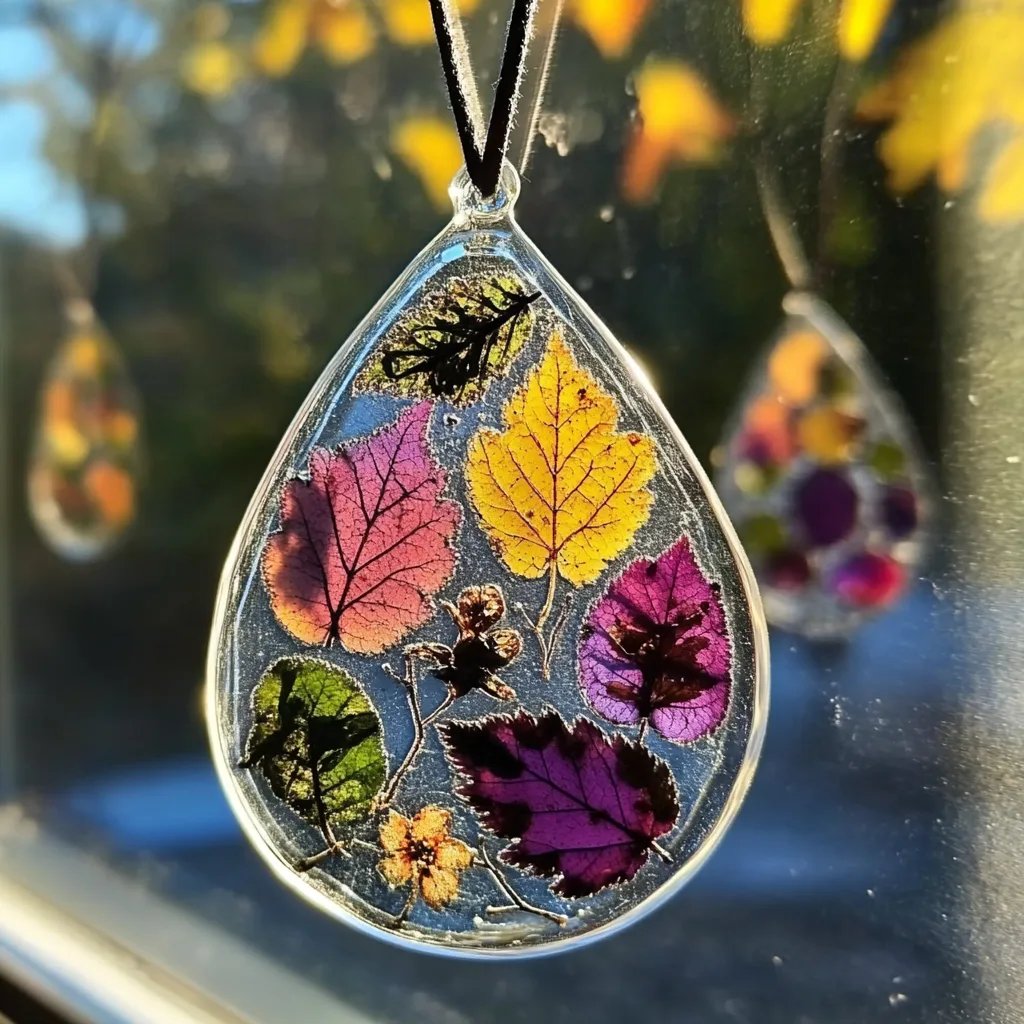
Welcome, dear crafters! Today, I’m excited to take you through one of my favorite creative endeavors—making DIY nature suncatchers. These vibrant pieces of art are not only delightful to look at but also serve as beautifully unique accessories for your home. Imagine sunlight streaming through your windows, illuminating the colors of fallen leaves, vibrant flowers, and even bits of natural twine. It's truly magical!
What Are Nature Suncatchers?
Nature suncatchers are handcrafted pieces fashioned from natural materials such as leaves, flowers, and twigs, suspended in a clear medium that allows light to filter through, creating stunning mosaics of color. They’ve gained popularity recently due to their eco-friendly nature and the creative freedom they offer. You can tailor each piece to reflect the seasons, your mood, or the materials you have on hand. They make lovely gifts and can transform any indoor space into a personal sanctuary of nature.
When and How Can I Use Suncatchers?
Suncatchers can enhance your windows year-round, lending a splash of color to dreary winter days, symbolizing the blooming beauty of spring, reflecting the warm hues of summer, and capturing the earthy tones of fall. Hang them in your kitchen, living room, or even outside on your porch to catch the sunlight. They can also serve as wonderful decorations for special occasions, such as birthday parties or seasonal celebrations.
The Materials You'll Need
Before diving into the steps, let’s gather our materials. Fortunately, you likely have many of these items at home or can find them easily:
- Natural Elements: Leaves, flowers, petals (fresh or dried), twigs, seeds, or even colorful pebbles.
- Protective Film: Clear plastic sheets, contact paper, or gelatin sheets.
- Adhesive: Non-toxic craft glue, Mod Podge, or clear glue.
- Base: Cardstock, cardboard, or an old picture frame.
- String: Twine, fishing line, or lightweight ribbon (for hanging).
- Scissors: For cutting your materials.
- A rolling pin: For flattening and pressing your nature elements.
- Safety precautions: A work surface cover and gloves if you're using dyes or strong adhesives.
Step-by-Step Tutorial
Now that we’re ready, let’s get crafting!
Step 1: Gathering Materials
I love going for a nature walk to collect my elements. Look for colorful leaves, interesting textures, and fragrant flowers. Spend time observing the different shades and patterns. I'd recommend avoiding any poisonous or harmful plants, particularly if you have children helping you.
*Tip*: Collect more than you think you’ll need; it's better to have options than to come up short!
Step 2: Pressing Your Materials
The beauty of your suncatchers lies in the crispness of the natural elements. Pressing them can enhance their colors and shapes. Simply sandwich your picks between two sheets of paper and place them under a heavy book for at least 24 hours. Alternatively, you can use a flower press for more delicate blooms.
*What Could Go Wrong*: If they aren't pressed well, they could wilt, which means you’ll lose the vibrant hues and defined shapes.
*Fix*: If you notice they aren’t drying well, switch to a dryer or a paper towel to absorb excess moisture.
Step 3: Preparing Your Base
While your materials are pressing, take your chosen base and prepare it. If you're using cardboard or cardstock, cut it into a desired shape—circles, hearts, or even whimsical designs that mirror the organic shapes of the elements you’ve gathered.
*Tip*: If you want a thicker suncatcher, glue two layers of cardboard together.
Step 4: Arranging the Design
Once everything is pressed and dry, it’s time to play with arrangements. Lay out your natural elements on the base to see how they interact. Remember, you can mix colors and textures. As I’ve learned over the years, less can be more—don’t overcrowd the base.
*Alternative Methods*: For a more layered look, consider gluing flowers and leaves on top of each other rather than laying them flat. That can create depth and intrigue in your design!
Step 5: Securing the Elements
Carefully apply your adhesive to the base, then place your nature elements on it. Make sure to press them down gently to avoid tearing. Allow to dry completely per the manufacturer’s instructions. If you're using glue, particularly Mod Podge, consider applying a thin layer over the materials for added durability.
*Safety Warning*: Some glues can have strong fumes. Always craft in a well-ventilated space, and wear gloves if you're sensitive to chemicals.
Step 6: Encasing Your Design
Now comes the fun part! If you're using contact paper, cut a piece slightly larger than your design and peel one side. Place your arrangement face down onto the sticky side, then carefully lay the other sticky side over your design to seal it. If you're using gelatin sheets, follow the package instructions for setting it up.
*What Could Go Wrong*: Sometimes bubbles can form between the layers. If this happens, gently lift one edge of the adhesive film or gelatin and smooth it out using a soft cloth or your fingers.
*Fix*: If there are stubborn bubbles, you can use a pin to gently poke and release the air.
Step 7: Final Touches
Cut out your suncatcher, leaving a small border of clear material around your design. This not only enhances stability but also frames your piece beautifully. You can then attach a string or twine to the top for hanging.
*Creative Variations*: Consider adding some glitter or beads around the edges for a splash of sparkle!
Step 8: Hang and Enjoy!
Finally, choose a location where sunlight will hit your suncatcher, and hang it up! Take a moment to revel in your creation. I always find the moment of seeing my handiwork dance with the sunlight exhilarating.
Additional Tips and Personal Anecdotes
- Seasonal Suncatchers: Try making a batch each season, using the unique offerings of nature to reflect the time of year.
- Group Crafting: Making suncatchers can be a great group activity! I once organized a "Nature Craft Day" with friends. We explored our local park, collected materials, and exchanged ideas and techniques.
- Storage: If you want your suncatchers to last, store them flat and away from direct sunlight when not in use to preserve their colors.
I hope this guide inspires you to embrace your creative side and celebrate the natural world right from your window! Remember, crafting is about exploration, play, and the joy of making things by hand. Your DIY nature suncatchers will not only showcase your artistic expression but also warm your space with the beauty of nature. Happy crafting!