Create Stunning Art with DIY Baking Soda Watercolors: An In-Depth Guide
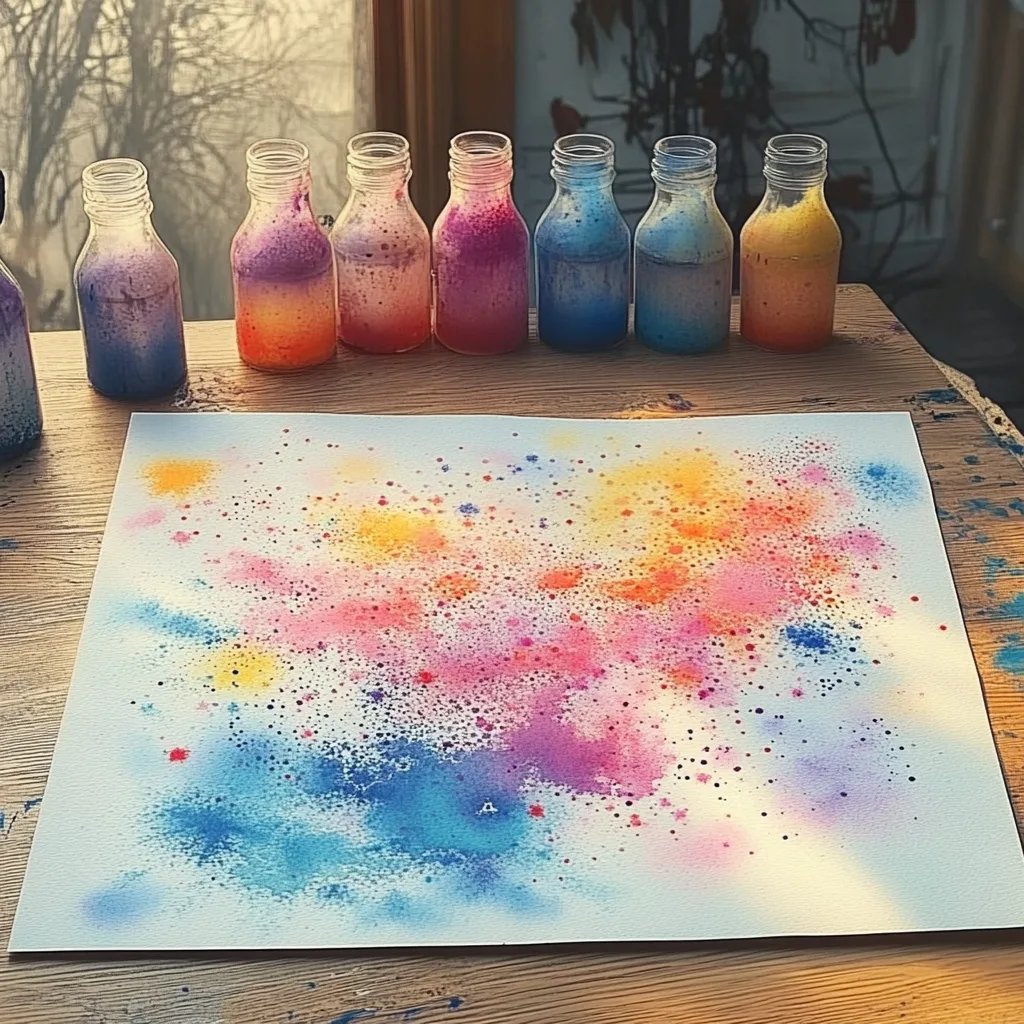
Hello, fellow crafters! Today, I want to share one of my favorite artistic adventures: making homemade baking soda watercolors. Whether you're a seasoned artist looking to experiment with new mediums or a curious beginner eager to dive into the world of painting, this DIY project promises to inspire creativity and delight the senses.
What Are Baking Soda Watercolors?
Baking Soda Watercolors are a unique, non-toxic paint alternative made from a few simple kitchen ingredients. The result is a vibrant, washable paint that’s perfect for everything from casual doodling to elaborate paintings. I've personally found that this type of watercolor not only allows vivid colors but also adds a quirky texture that’s hard to replicate. Moreover, they’re perfect for children’s art projects, making it a popular choice for parents and educators.
Why Are Homemade Watercolors So Popular?
- Affordability: Making watercolors at home is inexpensive since baking soda, vinegar, corn syrup, and food coloring are common household items.
- Safety: Homemade watercolors are non-toxic, making them ideal for kids’ craft sessions.
- Customization: You get to choose your colors and even experiment with creating your own shades!
- Eco-Friendly: By making your own paint, you reduce plastic waste and avoid harmful chemicals found in some commercial paints.
- Fun for All Ages: This project encourages creativity across age groups—from toddlers to adults!
Now that you're as excited as I am, let’s dive into the step-by-step process of making these delightful watercolors!
Step-by-Step Tutorial: Making Baking Soda Watercolors
Materials Needed
- 1/2 cup baking soda
- 1/4 cup white vinegar
- 1/4 cup corn syrup
- Food coloring or gel food color (various colors)
- Mixing bowls
- Whisk or spoon for mixing
- Ice cube tray or small containers for storing the paint
- Optional: small bottles for gifting or storage
1. Combine Baking Soda and Vinegar
Why this step matters: When baking soda mixes with vinegar, a chemical reaction occurs, creating carbon dioxide and foam. This reaction helps to give your watercolors their unique texture.
Instructions:
- In a mixing bowl, combine 1/2 cup of baking soda with 1/4 cup of white vinegar.
- You will notice the mixture fizzing and bubbling—don’t be alarmed; that's perfectly normal!
- Allow the fizzing to settle down before proceeding to the next step.
What could go wrong: If the mixture overflows, it’s likely you added too much vinegar or baking soda. Simply adjust the amounts so the reaction occurs without overflowing.
2. Mix in Corn Syrup
Why this step matters: Corn syrup adds stickiness and helps the colors adhere to paper once the paint dries, ensuring vibrant results that won’t easily wash away.
Instructions:
- After the fizzing has settled, gradually stir in the 1/4 cup of corn syrup, making sure it’s evenly combined.
- The texture will become smoother at this stage.
3. Adding Color
Why this step matters: Coloring your watercolors is where the magic really happens. This is your chance to create unique shades and experiment!
Instructions:
- Divide the mixture into smaller bowls or an ice cube tray.
- Add a few drops of food coloring to each section. Start with just one or two drops; remember, a little goes a long way!
- Mix thoroughly until you achieve your desired color. You can blend colors to create new shades!
Tips: Always test the color on a piece of paper to see how it appears once dry. If it’s too light, simply add more food coloring.
4. Store Your Paint
Why this step matters: Proper storage will ensure that your watercolors stay usable for future projects.
Instructions:
- Pour or spoon the colored mixtures into an ice cube tray or small containers.
- Allow the paint to dry at room temperature for about 24-48 hours. The watercolors will harden as they air dry.
5. Enjoy Your Art!
Why this step matters: Now comes the best part—using your new watercolors!
Instructions:
- Once dry, your watercolors are ready to use. To paint, simply wet your brush and rub it on the dried paint to activates it!
Troubleshooting Common Issues
- Paint is Too Watery: If your watercolors are diluted, add a bit more baking soda to thicken the mixture and ensure vibrancy.
- Crumbly Texture: The paint may have dried too quickly. Try painting in a more humid environment next time.
- Colors Bleed Too Much: For detailed work, ensure your brush isn’t overloaded with water when applying.
Personal Anecdotes & Tips
One of my favorite memories was hosting an art day with my neighbor's kids. We spent hours mixing colors, exploring techniques, and creating our little masterpieces. I remember one little artist blending red and blue to make a glorious purple!
I encourage you to let your creativity flow and not stress about perfection—the beauty of this art form is in its imperfections.
Creative Variations
- Experiment with Textures: Try adding salt to the mixture for a unique speckled effect.
- Add Glitter: Mix in some craft glitter before storing to create shimmering colors!
- Natural Dyes: If you prefer an all-natural option, consider using beet juice, turmeric, or matcha as colorants.
Safety Warnings
Always supervise children while crafting, ensuring they understand that these ingredients are for art and not for consumption. While the ingredients are non-toxic, they should never go in the mouth or eyes.
Conclusion
Creating your own baking soda watercolors is not simply a project—it's a chance to bond, explore your creativity, and make unique art pieces that carry personal stories. I hope this guide has inspired you to gather your materials and start experimenting!
Whether you're painting with the kids or enjoying some "me time" as an adult, these watercolors promise endless fun and creativity. So dive in, unleash your inner artist, and most importantly, have fun! Happy crafting!