Crafting Vibrant Summer Memories: How to Make Ice Chalk for Fun Outdoor Art
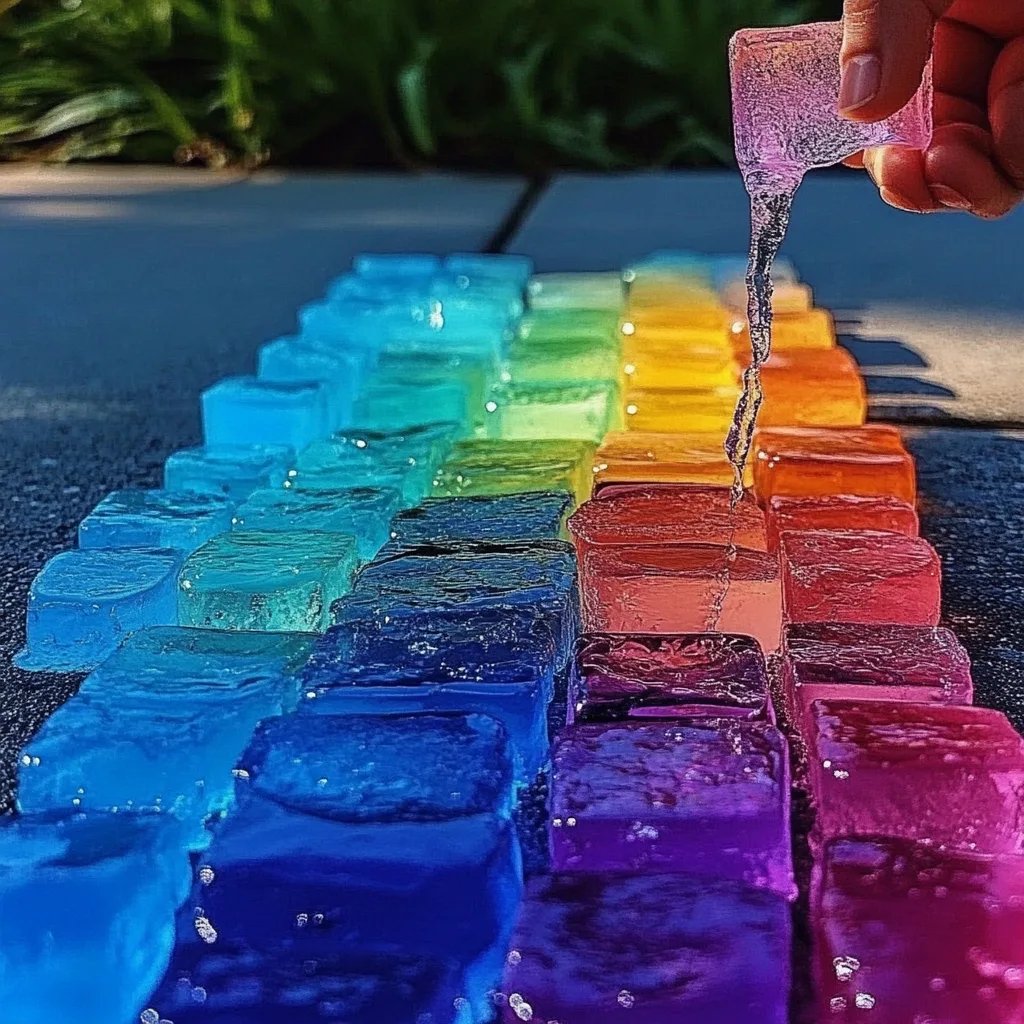
As the sun blooms in the sky, I can feel the familiar tingle of excitement for summer—long days filled with adventure, laughter, and unfettered creativity. One of my favorite ways to embrace the warmth of the season is by making ice chalk. This pastel-hued delight invites imagination, transforms sidewalks into canvases, and infuses any summer gathering with colorful joy. Whether it’s a playdate with kids, a creative exploration with friends, or simply letting your inner artist roam free, ice chalk is the perfect medium to express creativity during sunny days.
Why Ice Chalk? The popularity of ice chalk stems from its playful approach to art. It's non-toxic, easy to make, and allows for vibrant, water-soluble creations that can wash away with a splash of rain or a simple hose-down. Plus, the process of making it is just as enjoyable as using it!
So, let’s dive into the process. Here, I’ll guide you step-by-step to create your very own ice chalk. I’ll also share tips, tricks, and some alternative methods so that whether you’re a seasoned crafter or a newbie, you’ll feel empowered and inspired.
Materials You'll Need
Before we jump into the fun, gather the following materials:
- Ice cube trays or silicone molds: These will shape your ice chalk.
- Water: This will be the base of your chalk.
- Non-toxic food coloring: You can use gel, liquid, or even natural dyes for vibrant hues.
- Cornstarch: This is crucial for that chalk-like texture.
- Vinegar: Optional, for experimenting with textures.
- Mixing bowls and spoons: You’ll need these to whip up your icy creations.
- Freezer: An obvious but essential part of the process!
Step-by-Step Tutorial to Make Ice Chalk
Step 1: Prepare Your Workspace
Creating art should be a fun and stress-free experience. Start by laying down some newspaper or an old tablecloth to protect your surfaces. This will help contain any spills and make cleanup a breeze!
Step 2: Mix Your Ingredients
In a mixing bowl, combine 2 cups of water with 1 cup of cornstarch. The cornstarch is key since it gives your ice chalk that lovely chalky consistency. Stir them together until you have a smooth, lump-free mixture. This is an important step! If you don’t mix thoroughly enough, your chalk may end up with gritty bits or inconsistent texture.
Tip: If you're interested in experimenting with texture, try adding a splash of vinegar to the mixture. This can create a different feel and consistency.
Step 3: Add Color
Once your mixture is smooth, it’s time to add color! Divide the mixture into smaller bowls based on how many colors you want to create. Add a few drops of your chosen food coloring to each bowl and stir until you achieve your desired hue. Don’t hesitate to mix colors for unique shades—think pinkish-orange sunsets or deep ocean blues!
What could go wrong? If the color seems too dull—don't worry! You can always add more food coloring to enhance the vibrancy of the final product.
Step 4: Fill Your Molds
Now comes the fun part—pouring your colorful mixtures into the ice cube trays or molds. Fill each section just below the rim, as the mixture will expand slightly when frozen. If you’re using silicone molds, you're in for a treat! They release easily, making for a stress-free art session later.
Step 5: Freeze
Pop your filled molds into the freezer and let them sit for at least 4-6 hours or overnight if you can. While waiting, you might want to think about what kinds of artwork you’ll create, or even sketch out a plan for your sidewalk masterpiece!
Safety Warning: Make sure to keep your molds out of reach of very young children. While the ingredients are non-toxic, it’s best to supervise them during the process.
Step 6: Release and Enjoy!
Once they’re fully frozen, take your molds out, and let them sit at room temperature for about 5-10 minutes. This will make it easier to pop the ice chalk out without damaging it. Turn the molds inside out, and gently press from the bottom if needed.
Now that you have your vibrant ice chalk in hand, clear off a sizeable outdoor space—this is where your creativity will flow!
Tips for Using Ice Chalk
- Experiment with Textures: Remember that the warmer the weather, the faster your chalk will melt. Consider using it on a lightly damp sidewalk; the results can be mesmerizing as the colors swirl and blend.
- Create Stencils or Shapes: If you’re looking for a specific design, try using cardboard cutouts as stencils while coloring. This adds a fun twist and offers more structure to your creations.
- Use a Variety of Surfaces: Ice chalk doesn’t have to be limited to concrete or sidewalks. You can use it on wooden decks, pavements, or even a dry canvas for a different effect.
Alternative Methods to Personalize Your Chalk
- Using Natural Dyes: If you want to take a more eco-friendly approach, you can substitute food coloring with natural dyes made from fruits and vegetables, such as beet juice or spinach puree!
- Add Essentials Oils: For an aromatic touch, consider incorporating a few drops of your favorite essential oil into the mixture. Not only does this personalize your chalk but it adds a sensory dimension to your artistic experience.
Final Thoughts
Creating ice chalk is not just about making art; it’s an opportunity to build memories, engage with your environment, and unleash your creativity. As I sit watching the vibrant colors splash against the gray canvas of a sidewalk, I’m reminded that art is all about exploration and expression—something we can all embrace, no matter our age.
So go ahead, gather your materials, and ignite your summer with colorful chalk adventures. Be bold, be creative, and most importantly, have fun! The world is your canvas—let’s make it colorful!