Crafting Stunning Stained Glass Glue Window Art: A Comprehensive Guide
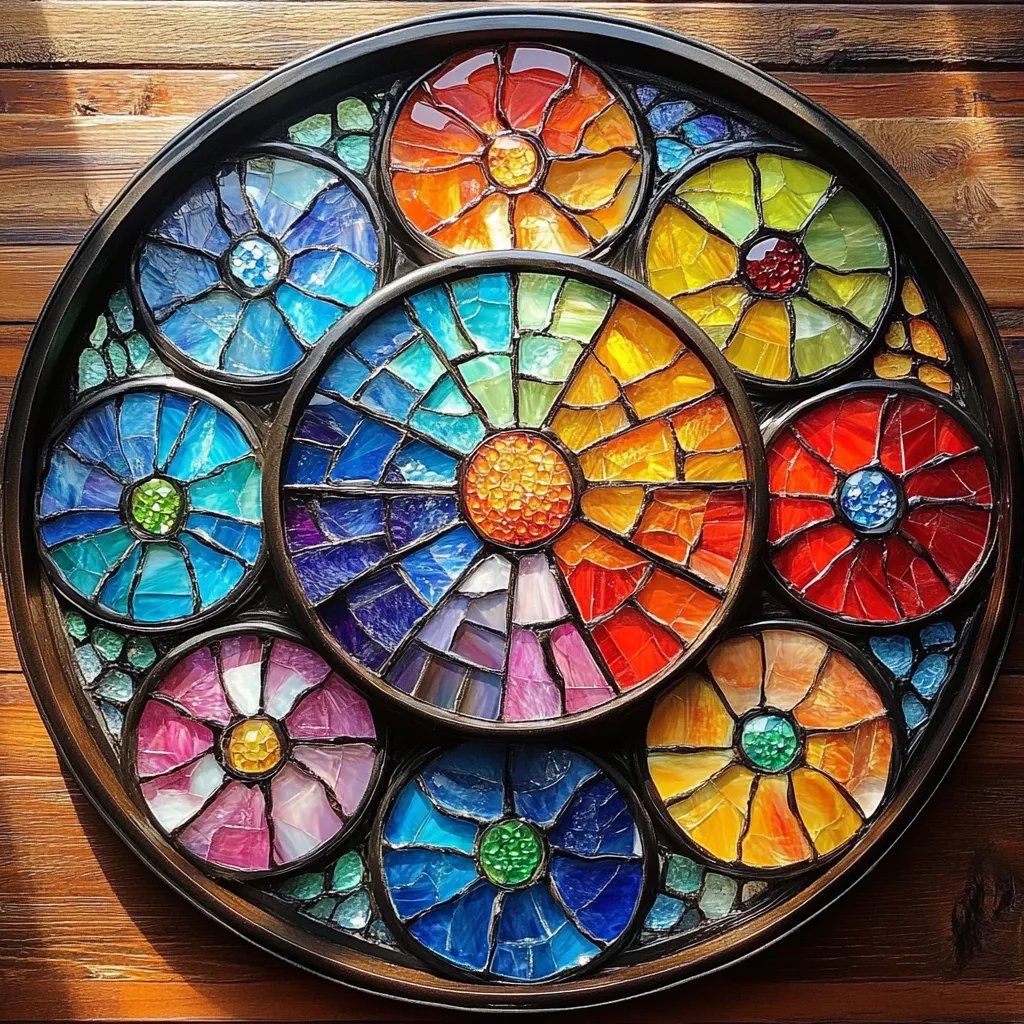
Hello, fellow crafters! If you’re anything like me, you may have a soft spot for vibrant colors and beautiful designs. And what better way to showcase that love than by creating your own stained glass glue window art? Over the years, this craft has become a passion of mine, and I’m excited to share with you a step-by-step guide on how to bring some colorful flair into your home using simple materials that you can find around the house or at your local craft store.
What is Stained Glass Glue Window Art?
Stained glass glue window art is a creative technique that mimics the look of traditional stained glass windows but uses glue and food coloring instead of glass and lead. It’s a popular choice for many reasons: it's budget-friendly, incredibly versatile, and a soothing activity that allows for creativity to flow freely. Not only can this art brighten up a living space, but it functions beautifully as a learning tool for kids, teaching them about color blending and design while having a fun time.
When and How Can You Use This Craft?
This craft is perfect for any occasion! You can create seasonal decorations for holidays—think warm colors for autumn, red and green for Christmas, or bright pastel shades for Easter. It also works incredibly well as a weekend project to do with friends or family. The finished pieces can be hung in windows or used as wall art, casting beautiful colors in your home when the sun shines through.
Materials Needed
Before diving into the process, let’s gather our materials. Here’s a simple list of what you’ll need:
- Parchment paper or wax paper: This is your canvas, providing a non-stick surface for easy peeling later on.
- Tacky glue or Elmer’s glue: The star of the show that holds everything together.
- Food coloring or liquid watercolor: Provides the vibrant hues you’ll be using.
- Toothpicks or a small paintbrush: Great tools for spreading the glue and adding detail.
- Optional: Glitter, sequins, or other embellishments for added flair.
- Small container: To mix your glue with the coloring.
- Old newspaper or a drop cloth: To protect your work surface.
Step-by-Step Tutorial
Step 1: Prepare Your Workspace
Start by laying out your newspaper or drop cloth. This will keep your workspace clean and make for an easy cleanup later on. Lay the parchment or wax paper over the top; this will be the base for your artwork.
Step 2: Mix Your Colors
In your small container, pour a generous dollop of tacky glue. Now, it’s time for the fun part—adding color! Start with a few drops of food coloring and mix thoroughly until you achieve your desired shade. I often start with one color per container to maintain a pure vibrancy, but you can experiment by blending colors to create your own unique shades!
Tip: If you accidentally overdo the coloring, just add more glue. If it's too pale, add more color gradually until it hits the mark.
Step 3: Design Your Artwork
Using a toothpick or paintbrush, begin by sketching out a basic design directly on the wax paper. Don’t worry if it’s not perfect—this is a freeform art piece, and imperfections can add character!
Next, carefully squeeze the glue mixture onto your design, following the lines you created. This step is crucial. If you apply the glue too thickly, it can take forever to dry and might end up warping. A nice, even layer will give you the best results.
What Could Go Wrong: If you make a mistake or it doesn’t turn out as expected, don’t fret! You can always peel it off the parchment paper once it’s dry and start over.
Step 4: Layering Colors
For a more intricate piece, repeat the mixing process with different colors, layering them to create depth in your project. You can layer the colors by letting one section dry before adding in another, or you can swirl two colors together while wet—it’s all about how adventurous you feel!
Step 5: Add Embellishments
Here’s your chance to get creative! While the glue is still wet, sprinkle some glitter, add sequins, or any embellishments you like. They can really elevate your piece and make it uniquely yours.
Step 6: Let It Dry
Patience is key! Allow your stained glass art to dry completely. Depending on thickness, this may take anywhere from a few hours to overnight. Ensure that it’s in a dust-free area, as particles can stick to the wet glue.
Safety Warning: Avoid placing it in direct sunlight during the drying phase as heat can warp the glued pieces.
Step 7: Peel and Display
Once it’s dry, carefully peel the artwork off the parchment paper. You should find that it peels away quite easily! Now, it’s time to hang it in your window or frame it as wall art.
Personal Anecdotes and Tips
One of my favorite pieces I ever created featured a mix of blues and purples, arranged to mimic the ocean waves. My kids loved it so much that we decided to expand our craft sessions, creating a series of art pieces for all seasons!
Here’s an extra tip: If you’re looking to change it up from the standard look, consider using an embroidery hoop as a frame. It gives a beautiful rustic touch while making it easy to switch out designs for the changing seasons.
Creative Variations
Feel free to add your twist to this craft! Consider creating themed projects—like a spring flower garden or a winter wonderland. You could even try using different types of glue, such as clear epoxy resin, to provide a sturdier finish.
As you embark on your crafting journey, remember that the joy is in the process, not just the end product. Embrace your creativity, get messy, and have fun! If you have any questions or would love to share your stained glass glue window art, please drop a comment below.
Happy crafting, and may your creations bring a rainbow of color to your home!