Crafting Spooktacular Spider Decorations: A Step-by-Step Guide
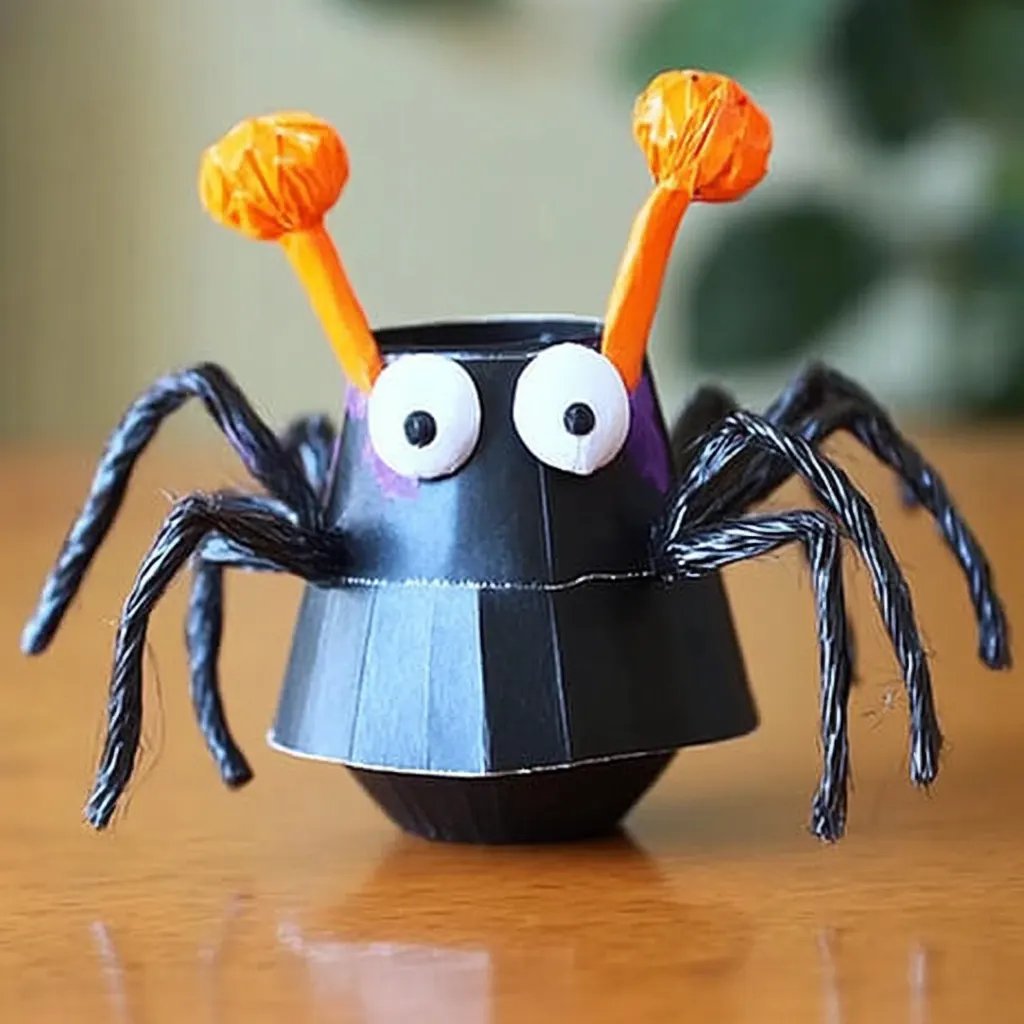
As an experienced crafter with a passion for all things spooky, I’m excited to share with you one of my favorite Halloween crafts: spider decorations! These eight-legged wonders can transform your home into a ghoulish wonderland, perfect for parties, trick-or-treating, or simply to add a touch of fright to your everyday decor. Whether you're adorned with intricately woven webs or simple, charming spiders made from common household materials, these decorations are bound to leave a lasting impression.
In this guide, I’ll walk you through the entire process of creating your own spider decorations, complete with a handy list of materials, a detailed step-by-step tutorial, troubleshooting tips, and a few personal anecdotes from my crafting journey. Let’s get started crafting those creepy-crawlies!
Why Spider Decorations Are a Hit
Spider decorations have become increasingly popular for Halloween and fall-themed decorations. The spooky factor associated with spiders lends itself perfectly to the season, and it’s a fun way to engage children and adults alike in creative projects. There’s something enchanting about transforming ordinary materials into delightful decorations, not to mention the pride you feel displaying what you’ve created. Trust me, your family and friends will be in for a treat when they see your homemade spiders crawling around!
Materials Needed
Before we jump into the crafting process, let's gather our materials. Don’t worry—most of these can be found around your home or a local craft store:
- Black construction paper or cardstock: This will form the body and legs of your spider.
- Scissors: For cutting out the shapes.
- Glue or a hot glue gun: To assemble the spider parts.
- Googly eyes: These add a fun, whimsical touch to your spider!
- Pipe cleaners: Perfect for making spider legs.
- String or fishing line (optional): If you want to hang your spiders.
- Black paint or markers: For decorating and detailing the spiders.
- Cotton balls or fake cobwebs (optional): Great for enhancing that spooky effect.
Creative Variations
Feel free to mix and match materials! You could even use recycled items like plastic bottle caps for the body or old t-shirts for fabric spiders.
Step-By-Step Tutorial
Step 1: Create the Spider Body
To start, I like to use a circular craft shape for the body.
- Cut a circle from your black construction paper. For a medium-sized spider, aim for about 4 inches in diameter. If you want a smaller spider, cut a smaller circle.
- Tip: If you want a 3D effect, you can create two circles of different sizes and glue them together to form a rounded body, similar to a bouncy ball.
Step 2: Cut the Legs
Next, it’s time to cut out the legs. Traditional spiders have eight!
- Cut out eight strips of black paper about 0.5 inches wide and 6 inches long. You can adjust the length depending on how "spindly" you want your spider to be.
- Common Mistake: Avoid cutting them too short; they won’t give you that classic spider look.
- Fix: If they end up short, just cut out more strips!
Step 3: Attach the Legs
- Glue the legs to the underside of the spider’s body. Use your glue or hot glue for strong adhesion.
- Tip: Position the legs in an outward, angled formation to give your spider a realistic pose.
Step 4: Add a Head (Optional)
If you prefer a more distinct spider, you can add a smaller circle for the head.
- Cut a smaller black circle (around 2 inches) and glue it to the top of the larger body.
- Tip: This gives your spider a more cartoonish or dimensional look.
Step 5: Googly Eyes
- Attach googly eyes to the head using glue. This adds personality!
- Personal Anecdote: I once made a spider with oversized googly eyes, and it became the star of my Halloween decorations!
Step 6: Pipe Cleaner Legs
For an alternative approach, you can use pipe cleaners instead of paper.
- Cut four pipe cleaners in half, giving you eight legs. Bend and shape them for a more realistic appearance.
- Tip: Twist them for added texture or make them flexible for repositioning.
Step 7: The Finishing Touch
- Add details: Use the black paint or markers to add patterns to your spider. This could be stripes, dots, or whatever design you choose.
- Attached String: If you wish to dangle your spiders, carefully poke a hole through the body and tie a length of string.
Step 8: Display Your Spiders!
Now that your spiders are complete, the fun part begins—displaying them! Hanging them from ceilings, setting them on tabletops, or draping them in spooky webbing creates an eerie atmosphere.
- Tip: Mix different sizes of spiders for a more dramatic effect!
Troubleshooting Common Issues
- If the legs keep falling off: Ensure you use a strong adhesive like hot glue, and give them ample drying time.
- If the spiders are too floppy: Add extra support by using sturdy paper or more durable materials like cardboard for the body.
Safety Warnings
When using scissors and hot glue, always supervise children and take necessary precautions to avoid cuts or burns. Crafting is fun, but safety should always come first!
Final Thoughts
Crafting spider decorations is not only a fun way to get into the Halloween spirit, but it also provides an opportunity for creativity and personalization. Remember, every spider is unique, and there’s no right or wrong way to make them. So, experiment with shapes, sizes, and colors—let your imagination run wild!
I hope this guide has inspired you to create some creepy-crawly critters that will delight and scare this Halloween season. Happy crafting, and may your home be filled with both laughter and a little spookiness!
If you enjoyed this tutorial, feel free to leave a comment or share your spider creations with me! I would love to see how your crafts turn out!