Crafting Spectacular Baking Soda and Vinegar Fireworks: A DIY Adventure
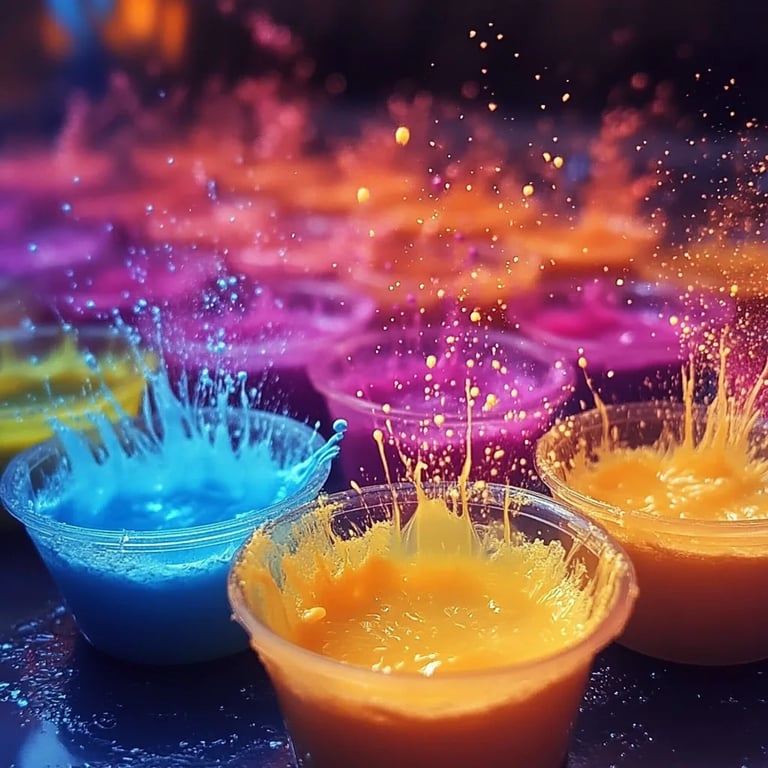
Hello, fellow crafters! Today, I want to share one of my favorite simple science experiments that brings a burst of excitement and joy: Baking Soda and Vinegar Fireworks! Whether you’re looking to keep little hands busy on a rainy day, want to add some sparkle to a birthday party, or are teaching science concepts in a fun, engaging way, this project fits the bill perfectly. Plus, it’s safe, non-toxic, and a fantastic way to sneak in a little learning while having tons of fun!
What Are Baking Soda and Vinegar Fireworks?
Baking Soda and Vinegar Fireworks take advantage of a classic chemical reaction between baking soda (a base) and vinegar (an acid) to create an explosive spectacle! When mixed, they produce carbon dioxide gas, which pushes out liquids in a fizzing, bubbling frenzy, mimicking the effect of fireworks bursting in the sky.
This project is popular with parents and teachers alike for its ease of setup and the sheer joy it delivers. It’s an exciting, interactive way to demonstrate chemical reactions and the conservation of gases. And guess what? You might end up with some colorful results if you add food coloring!
When and How Can It Be Used?
You can use this simple yet effective fireworks display for many occasions:
- Science Fair Projects: Kids can demonstrate chemical reactions in a visual and memorable way.
- Birthday Parties: Make your party a hit with a quick science demonstration.
- Educational Activities: Enhance learning about acids and bases in a fun and interactive manner.
- Charming Evening Displays: Swap out traditional fireworks for a safe, creative alternative during holidays.
Now that you know why this project is so special, let’s dive into the details!
Gather Your Materials
Before we jump into crafting, let’s gather all the materials you’ll need. Here’s a comprehensive list:
Materials:
- Baking Soda (1-2 tablespoons)
- Vinegar (1 cup or more, depending on how fizz-crazy you want it to be)
- Food Coloring (optional, but highly recommended)
- Clear Plastic Bottles or Jars (small ones work well, ideally with a wide mouth)
- Wide Tray or Tubs (to contain the mess)
- Safety Goggles (for a fun, extra layer of safety)
- Spoon or funnel (optional for easier pouring)
Steps to Create Your Baking Soda and Vinegar Fireworks
Now that you have your supplies ready, let’s walk through the process step-by-step. Don’t worry; I’ll be here to guide you every step of the way!
Step 1: Prepare Your Workspace
Make sure your workspace is clean and has plenty of space for your creativity to explode! Setting everything up in a wide tray or tub will help contain any mess created during the reaction.
Why this matters: A clean workspace not only keeps things organized, but it also makes clean-up easier. The reaction can get quite bubbly!
Step 2: Add Baking Soda
Using a spoon or funnel, add 1-2 tablespoons of baking soda into your plastic bottle or jar. You can even add it in layers, if you wish, for different colors!
Tip: You can adjust the amount based on how much fizz you want. More baking soda will create a bigger reaction.
Step 3: Add Food Coloring (Optional)
If you want to add a splash of color to your fireworks, drop in a few drops of food coloring. You can use multiple colors for different explosions or mix them for a beautiful effect.
Creative Variation: Try layering different colors of baking soda in the bottle. When the vinegar is added, you’ll see them mix beautifully for an enchanting display.
Step 4: Pour in the Vinegar
Once you’re ready for the grand show, carefully pour about 1 cup of vinegar into your bottle containing the baking soda. Stand back and watch the fireworks ignite!
Important Note: The reaction will begin almost instantly, so make sure to pour it quickly and step back to enjoy.
Step 5: Observe and Enjoy!
Marvel at the fizzing, bubbling eruption! The delightful foam will rise and often overflow, creating a mini-firework show in your bottle. Feel free to experiment with amounts and colors for an even more spectacular display.
What Could Go Wrong: If your reaction doesn’t seem vigorous enough, try adding more baking soda or vinegar for a bigger fizz. Keep experimenting until you find your sweet spot!
Step 6: Clean Up
After the excitement, let’s not forget clean-up! Vinegar and baking soda will not only fizz away but they will also wash down easily with warm water. Just rinse your bottles and workspace.
Tips for a Successful Experience
- Safety First: While the materials are safe, wearing safety goggles is always a good idea, especially for kids. It adds to the fun too!
- Timing: Conduct this experiment outdoors or in a well-ventilated space since the vinegar smell can be strong.
- Multiple Reactions: Prepare multiple bottles or jars for a series of fireworks, turning this into a mini-science festival.
Alternative Methods or Ingredient Substitutions
If you find yourself without vinegar, you can substitute it with lemon juice or any other acid. However, vinegar tends to create the best reaction in my experience. As for food coloring, if you’re out, think of using small squirt bottles with colored water!
Final Thoughts and Personal Anecdote
The first time I tried this project with my kids, we gathered various colors of food dye and went a bit wild. Watching their eyes light up with astonishment when the fizzy eruption happened was one of my most cherished memories. It reminded me that crafting and science can be beautifully intertwined, bringing joy and laughter while learning.
So gather your materials, prepare for a blast of color and fun, and embrace the magic of science with these Baking Soda and Vinegar Fireworks. Trust me; this experiment will deliver delightful surprises and spark excitement! Happy crafting, and may your fireworks be ever sparkling!