Crafting Memories: How to Create Beautiful Pressed Flowers
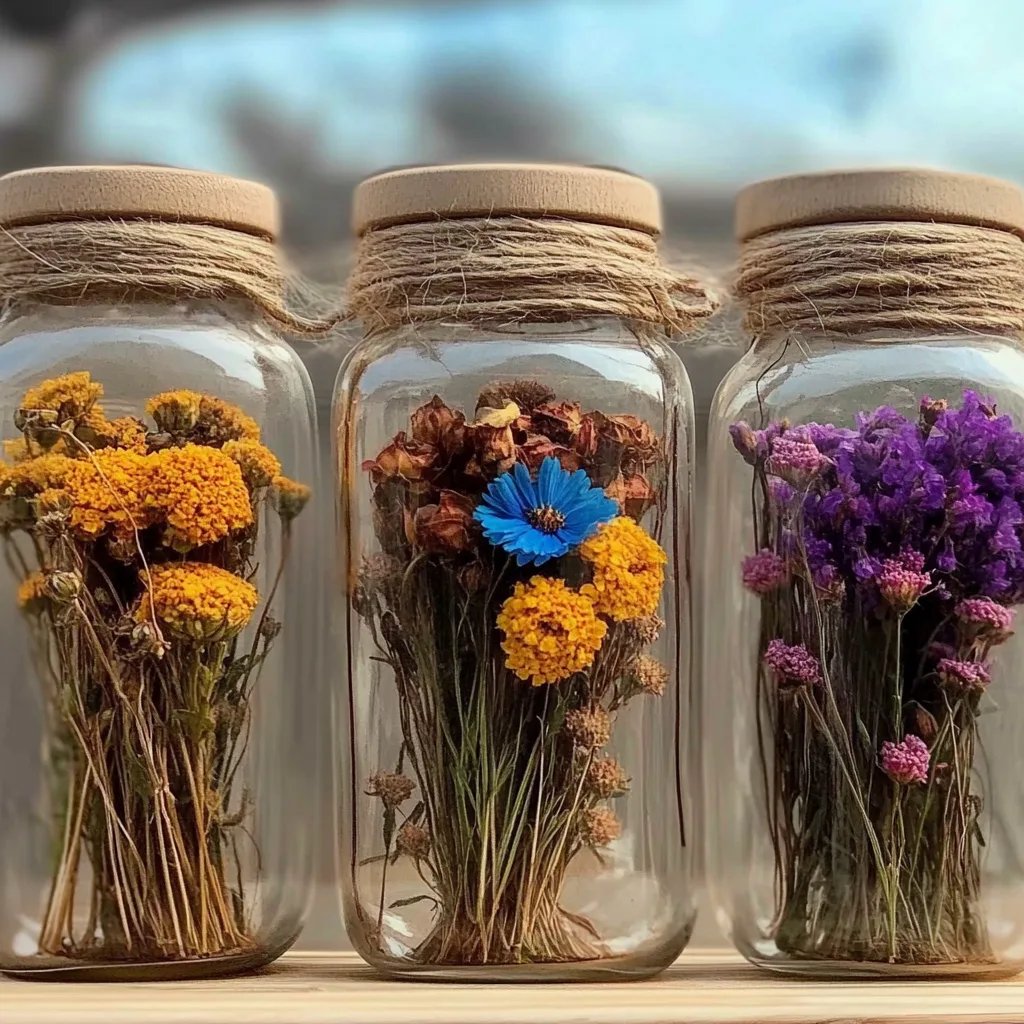
Hello there, fellow DIY enthusiast! Today, I’m excited to share one of my favorite projects—pressed flowers. This delightful craft allows you to capture the beauty of nature in a way that can be cherished for years to come. Whether you’re decorating a scrapbook, creating unique greeting cards, or making one-of-a-kind wall art, pressed flowers are as versatile as they are beautiful. In this detailed guide, I'll walk you through the process of pressing flowers, highlight some essential tips, share my personal stories, and offer variations on the project to inspire your creativity. So, let’s dive in!
Why Pressed Flowers?
Pressed flowers have gained popularity for their timeless appeal and rustic charm. They evoke a sense of nostalgia, reminding us of warm days spent outdoors or memorable events like weddings and graduations. You can use them in various ways—be it in home decor, handmade gifts, or as beautiful decorative elements in your DIY projects. They’re perfect for any season, allowing you to preserve your favorite blooms at their peak. Plus, crafting with pressed flowers is a skill that not only celebrates nature but also enhances mindfulness and creativity.
Materials Needed
Before we get started with the pressing process, let’s gather our materials. Don’t worry, you won’t need anything fancy:
- Fresh Flowers: Choose flat, thin flowers like pansies, daisies, or violets. Sunflowers and roses can also work, but be mindful of their thickness.
- Heavy Books or Flower Press: If you don’t have a flower press, sturdy books can do the job just fine.
- Parchment Paper or Coffee Filters: This will protect your flowers and absorb moisture.
- Paper Towels: For additional moisture absorption.
- Tweezers: These come in handy when handling delicate flowers.
- Scissors: For trimming flowers to fit your design.
- Glue or Mod Podge: For adhering flowers to your chosen canvas.
- Canvas or Cardstock: To display your creations.
- Picture Frame (optional): For those want-to-be artists among us who wish to frame their masterpieces.
Step-by-Step Instructions
Step 1: Select Your Flowers
Start by choosing the flowers you want to press. I usually go for blooms that are in full bloom but not yet wilting. Early morning or late afternoon when the sun isn’t too hot is the best time to harvest, as the flowers are fresh and crisp.
Tip:
Avoid flowers that are too thick or have high moisture content—these are more challenging to press and may mold instead. If you’re unsure, do a test run first!
Step 2: Prepare Your Flowers
Trim the stems to about 1-2 inches long. If the flowers have particularly thick petals, you might want to peel back a few layers to allow better moisture release.
Personal Anecdote:
I once pressed a batch of peonies and learned the hard way that their thick petals took way too long to dry. The result was beautiful but not what I had anticipated!
Step 3: Place Your Flowers Between Paper
Lay a sheet of parchment paper or coffee filter on a sturdy book. Arrange your flowers in a single layer, making sure they don’t overlap. Cover with another piece of parchment paper before placing another heavy book on top.
Step 4: The Waiting Game
Now comes the hardest part: patience! Leave your flowers pressed for at least a week. For larger or thicker blooms, this can take up to two weeks. Ensure that they’re in a dry, warm place, away from direct sunlight.
What Could Go Wrong:
If your flowers develop mold, they may have had too much moisture. If you see any green or black spots, it’s time to discard them and start again!
Step 5: Unveiling Your Flowers
After waiting patiently, it’s time to unveil your creations! Carefully lift the top book and peel back the parchment paper. Use tweezers to gently remove the flowers. You’ll find your blooms are beautifully flat and retain much of their original color.
Step 6: Arranging and Gluing
Now the fun begins! Arrange your pressed flowers on a canvas or cardstock in a way that pleases your eye. Once you’re happy with the arrangement, use a paintbrush to apply glue or Mod Podge to the back of each flower and adhere it to the surface.
Creative Variation:
For a unique touch, consider adding glitter or sequins around the flowers for some sparkle, or experiment with layering different sizes of flowers for depth!
Step 7: Final Touches
Allow the glue to dry completely, then seal it with another coat of Mod Podge for longevity. If you’re feeling fancy, consider framing your artwork for a lovely display piece.
Safety Warnings
While this is a relatively safe craft, remember to:
- Avoid Poisonous Plants: Make sure the flowers you are using are non-toxic, especially if you have pets or small children.
- Work in a Well-Ventilated Area: If you’re using glues or sealants, ensure you're in a space with good airflow.
Helpful Tips
- Experiment with different types of blooms and leaves for diverse textures and colors.
- If you’re short on time, consider using a microwave flower press. However, monitor closely to prevent burning.
- Keep a journal or record of the flowers you press, noting when and where you found them. It’s a lovely way to create a connected experience with nature.
Final Thoughts
Creating pressed flowers is not only a rewarding craft but also a beautiful way to connect with the world around us. I hope this tutorial inspires you to step into your garden or local park and start crafting your own pressed flower project. Remember, don’t stress about perfection—just let your creativity flow, and your unique style will shine through! Happy crafting!