Crafting Joy: How to Make Your Own DIY Bouncy Ball
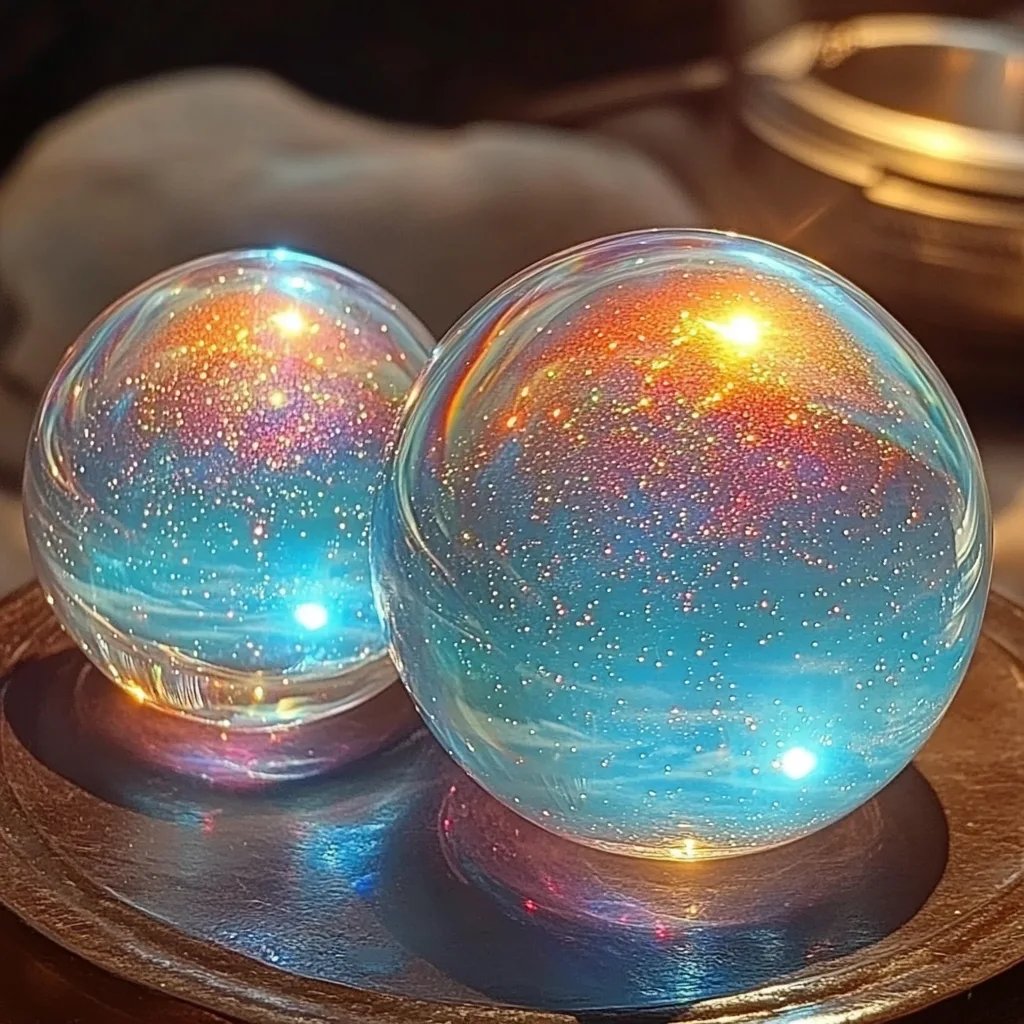
Hey, fellow crafters! Today, I’m excited to share one of my all-time favorite DIY projects—making your own bouncy ball. This enchanting little creation isn’t just a project for kids; it’s a delightful way for adults like us to reconnect with our inner child. Whether you’re looking for a fun activity to share with your family, trying to create unique party favors, or simply wanting to learn a new skill, making DIY bouncy balls can provide hours of joy. Plus, they’re perfect for various occasions, from casual playdates to party bags, making them a beloved favorite for all ages!
Why Make DIY Bouncy Balls?
Bouncy balls are not only nostalgic but also an excellent introduction to simple chemistry principles and crafting techniques. They’re surprisingly easy to make with just a few household ingredients, and the end result is a satisfying, squishy sphere that bounces with delight! Moreover, customizing them allows you to explore different colors and sizes, providing a creative outlet that's both fun and rewarding.
Ready to leap into the colorful world of bouncy balls? Let’s dive in!
Materials You'll Need
For this DIY project, you’ll need:
- Boric Acid (1 teaspoon) – This is the key ingredient that helps your ball hold together.
- White Glue (PVA glue) (1/2 cup) – This will act as the base for your ball and gives it flexibility.
- Cornstarch (1/2 teaspoon) – This adds thickness and helps the ball achieve the right consistency.
- Baking Soda (1/2 teaspoon) – This helps in the chemical reaction that makes your ball bouncy.
- Food Coloring (optional) – To give your bouncy ball some personality! Choose any color you love—go wild!
- Water (1/4 cup) – Acts as a medium for mixing everything together.
- Small mixing bowl and spoon for combining ingredients.
- Plastic gloves (optional but recommended) – This keeps things tidy during the mixing process.
- Wax paper or a silicone mat for drying your balls.
Step-by-Step Tutorial
Step 1: Gather Your Ingredients
The first step is about preparation. It’s always a good idea to gather all your materials before starting. Make sure you’re working on a clean, flat surface to avoid any mess. Trust me; I’ve had my fair share of crafting disasters!
Step 2: Mix Your Glue and Boric Acid
In your mixing bowl, combine the white glue and boric acid. Mix these two ingredients until they blend smoothly. The boric acid is essential here as it’s what gives structure to the ball. Tip: If you don’t have boric acid, you can substitute it with contact lens solution that contains boric acid as an ingredient.
Step 3: Add Baking Soda
Next, sprinkle in the baking soda. This will help create the bouncy texture, so be sure it’s evenly distributed in the glue mixture. Stir well until it's fully incorporated.
Step 4: Introduce Cornstarch
Now, add the cornstarch. Cornstarch thickens the mixture, making the bouncy ball more solid and giving it that satisfying bouncy quality. Stir vigorously until you achieve a uniform consistency. Here, you'll notice the mixture start to thicken—a delightful moment in the crafting process!
Step 5: Incorporate Water and Food Coloring
Slowly add water to the ball mixture while stirring continuously. This step alters the texture to ensure your ball is pliable yet firm. If you'd like to add some color, this is the time! A few drops of food coloring can transform your bouncy ball into a work of art. Remember, the color will be mild, so feel free to add more until you achieve your desired hue.
Step 6: Knead & Form
Now comes the fun part! With fitted gloves (if you choose to use them), start kneading the mixture in your hands. This process will take about 5 minutes. It might feel sticky at first, but as you knead, the mixture will start to come together into a ball. If it’s too sticky, don’t fret. Add a touch of cornstarch gradually until you reach that perfect bouncy consistency.
Step 7: Shape Your Ball
Once you have a pliable ball that feels nice and firm, it’s time to shape it. Roll it firmly between your palms to form a perfect sphere. Ensure there are no cracks or uneven spots, as they can affect how it bounces later.
Step 8: Dry Time
Place your bouncy ball onto a piece of wax paper or a silicone mat to dry. It usually takes about 24 hours for them to completely harden. While it’s hard to resist, try to avoid touching it during this time! Note: If you live in a humid environment, it may take longer to dry.
Tips & Troubleshooting
- Consistency is Key: If your mixture is too runny, add a little more cornstarch. If it’s too thick, add a drop of water. Finding the right texture is crucial for the best bounce.
- Don’t Skimp on Kneading: This step is vital. It’s what activates the glue and boric acid to form your bouncy ball.
- Colors and Designs: You can create multicolor balls by dividing the mixture and adding different colors to each portion before combining and shaping.
- Experiment: Try using different sizes or shapes! While bouncy balls are typically round, experimenting with different molds can lead to creative results.
Safety Warnings
While making this fun project can be super educational, keep in mind:
- Boric acid can be irritating to the eyes and skin, so wash your hands after working with it, and avoid direct contact.
- Ensure everything is done in a well-ventilated area, especially during the mixing phase.
Creative Variations
Once you’ve mastered the basic bouncy ball, try these variations:
- Glow-in-the-Dark Balls: Mix in a few drops of glow-in-the-dark paint for nighttime fun.
- Scented Balls: Add a drop or two of essential oil for a lovely scent that can turn your regular ball into a fun stress ball or toy.
- Sparkly Balls: Mix glitter into the ball mixture before shaping it to add some sparkle, making it more engaging for kids!
Final Thoughts
Making your own DIY bouncy ball is not only a fun creative project; it’s also an opportunity to unpack some science in a thrilling way! As you bounce your perfectly crafted ball, you'll feel that warm pride of having created something beautiful and functional from simple materials. So, may your crafting journey be filled with joyful leaps and bounds, and never hesitate to experiment and personalize your projects! Enjoy the bounces, because there’s nothing quite like the feeling of crafting something delightful with your own hands!
Happy crafting, everyone!