Crafting Fun: How to Make Easy Shaving Foam Paint
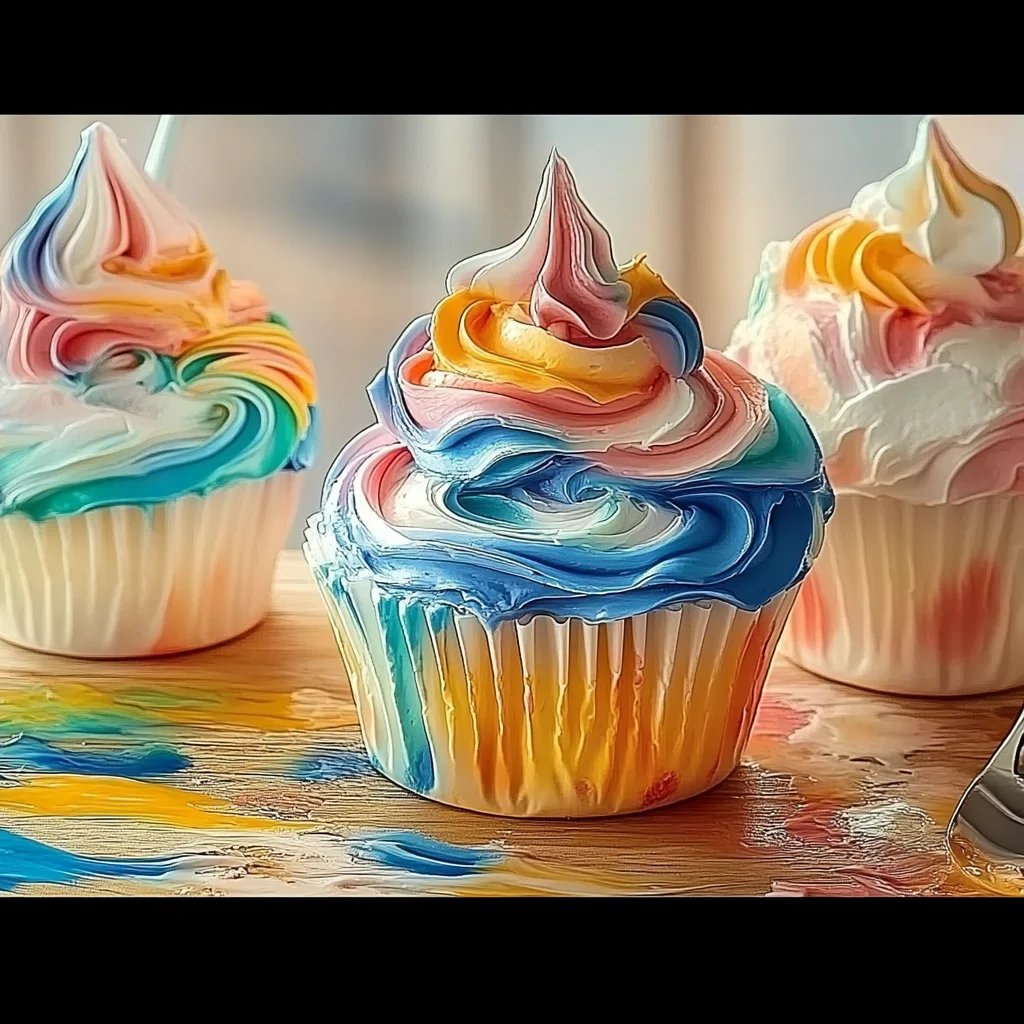
Introduction: A Delightful Crafting Experience
Hello, fellow crafters! Today, I’m excited to share with you one of my absolute favorite creative activities—making Easy Shaving Foam Paint. This fun concoction is not only a fantastic way to explore textures and colors, but it also brings a unique twist to your regular painting projects. If you've ever wanted to create vibrant, swirly designs without the mess of traditional paint, you'll love this recipe!
Shaving Foam Paint is particularly popular among parents, educators, and art enthusiasts alike. It’s a wonderful tool for teaching kids about colors and textures or simply enjoying a playful afternoon of crafting. It can be used for various art projects, including card making, background designs for artwork, or even just an afternoon of fun with the kiddos. Trust me; once you experience the delightful textures and endless colors, you’ll see why this concoction has become a crafty favorite.
Why Choose Shaving Foam Paint?
- Textural Play: The fluffy, airy nature of shaving foam allows for a different painting experience, engaging both the tactile and visual senses.
- Fast Drying: Depending on the thickness employed, Shaving Foam Paint can dry relatively quickly, making it great for quick projects.
- Easy Clean-up: It's much simpler to clean up than traditional paints, as it mostly washes away with water.
- Non-Toxic Ingredients: If you use proper materials, it’s safe for children, making it a great choice for school or playtime.
So, are you ready to embark on this artistic journey? Let’s gather our materials and get started!
Materials Needed
- Shaving Cream: The star of the show. Avoid gels; regular foaming shaving cream works best.
- Food Coloring or Liquid Watercolors: These will be used to create vibrant colors in your paint.
- White Glue (PVA Glue): Helps the foam stick to paper and gives the paint a nice consistency.
- Mixing Bowl: To combine the paint components.
- Spoon or Mixing Stick: For mixing the ingredients.
- Paper or Canvas: This is where the magic will happen!
Step-by-Step Tutorial: Crafting Your Shaving Foam Paint
Step 1: Gather Your Materials
Before you begin, ensure that you have all the materials at hand. Set up your crafting space with easy access to water and paper towels for quick clean-ups. A simple organized area helps foster creativity and reduces stress. I always find that a clutter-free workspace inspires my artistic mind!
Step 2: Measure Your Shaving Cream
I typically use approximately 1 cup of shaving cream. Put it into your mixing bowl as it’s the base of your paint.
Why This Matters: The amount of shaving cream dictates the volume of paint you can create. If you want more paint, simply double the measurements!
What Could Go Wrong?: If you accidentally add too much cream, your paint may become overly fluffy, and mix poorly. The balance between cream and glue is essential, so start small and adjust as needed.
Step 3: Mix in the Glue
Next, add ⅓ cup of white glue into the shaving cream. Stir the two ingredients together with your spoon or mixing stick gently until combined.
Why This Matters: The glue acts as a binder, ensuring that your paint adheres to the paper well and dries properly.
What Could Go Wrong?: If overmixed, you will lose the foamy texture. Aim for a nice, consistent mixture with a fluffy appearance.
Step 4: Add Color
Now, here comes the fun part! Add a few drops of food coloring or liquid watercolors to your mixture. Use a different bowl for every color you want to create, or mix carefully in the same bowl for swirled patterns.
Personal Anecdote: I remember the first time I made this—I was amazed at how vibrant the colors became. I particularly love using pastel shades for gentle backgrounds or bright, bold hues for eye-catching projects!
Why This Matters: The choice of colors can completely change the look of your finished product. The flexibility to create multiple shades makes this paint incredibly versatile.
Step 5: Mix Gently Again
Using your spoon, gently fold the food coloring into the foam mixture. Be careful not to overmix—this is where you want to ensure the fluffy consistency is preserved!
What Could Go Wrong?: If you mix too vigorously, you might lose the charming swirls and end up with a uniform color instead of a beautiful marbled effect.
Step 6: Get Creative and Paint!
Now that your Shaving Foam Paint is looking fabulous, it’s time to get it onto your canvas or paper. You can dab, swirl, or spread the paint using your fingers, brushes, or even sponges!
Safety Warning: While the ingredients are non-toxic, it's still a good idea to supervise young ones and ensure they don’t ingest any of the materials.
Creative Variations: Try using other materials—such as combs, toothpicks, or straws—to create different designs and textures. I’ve seen people create incredible landscapes by swirling the paint in different ways!
Step 7: Let It Dry
The time it takes to dry largely depends on the thickness of the paint applied. Typically, it will take about 24 hours to fully dry. I like to leave projects in a well-ventilated area away from direct sun to prevent fading.
Tips and Tricks for Success
- Storage: If you have leftover paint, store it in an air-tight container in the refrigerator for up to a week. Just give it a gentle stir before using it again.
- Experiment with Textures: By varying the amounts of glue and foam, you can create a thicker or thinner paint—each with its unique effect.
- Use Other Colors: You’re not limited to food coloring—the sky’s the limit! Try using washable inks or liquid tempera paint for vibrant results.
- Crafting with Kids: If you're guiding children, explain each step and allow them to experiment with creating their custom colors. Their creativity will amaze you!
Conclusion: Enjoy Your Masterpieces
Creating Easy Shaving Foam Paint can be an incredibly satisfying and rewarding experience. It allows for tons of creative expression, not to mention the joy of crafting together whether alone or with friends and family! I hope this guide inspires you to dive into a fun-filled crafting session, soaking in the textures and colors that this delightful paint brings.
Remember—crafting is all about enjoying the process, so give yourself the freedom to explore, experiment, and have fun. Happy crafting!