Crafting Delight: A Step-by-Step Guide to Baking Soda Painting
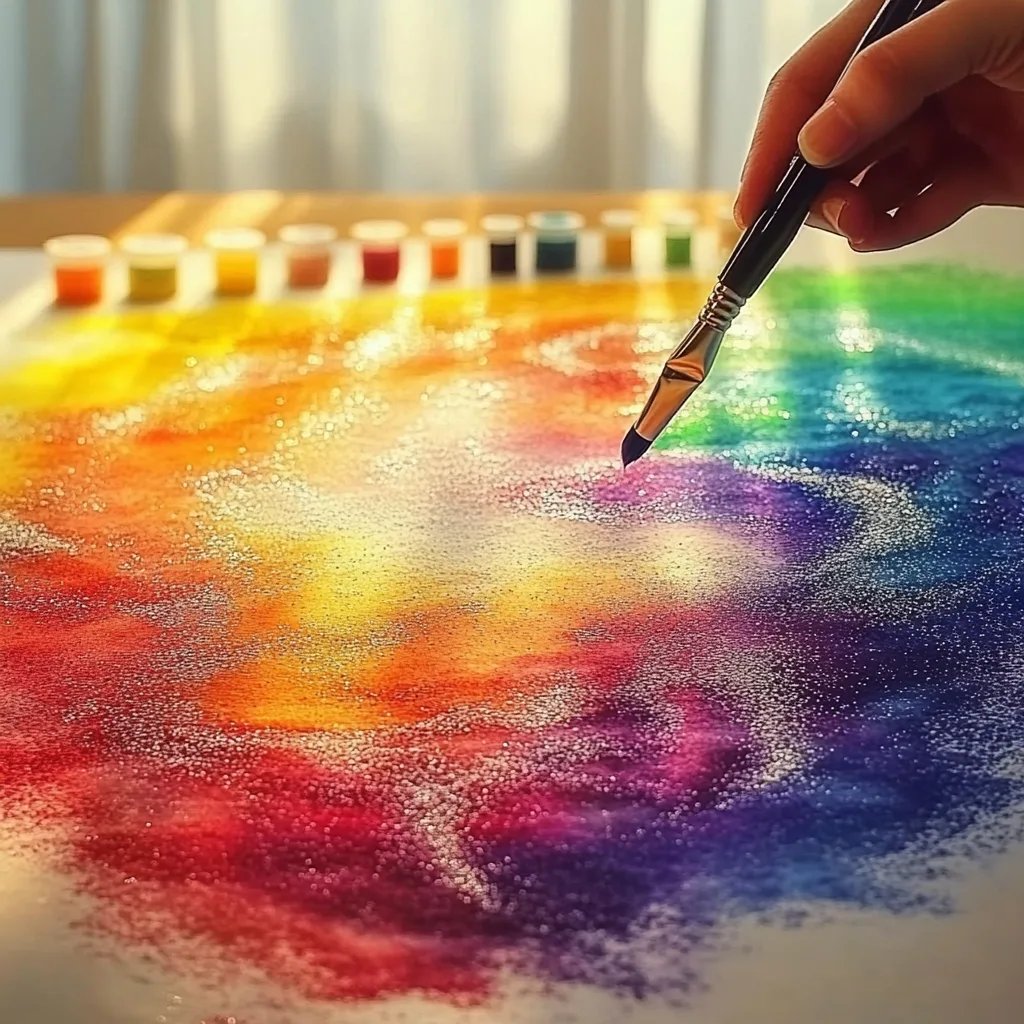
Hello fellow crafters! Today, I’m thrilled to share one of my favorite creative projects—Baking Soda Painting. If you're looking for a fun, innovative way to express your artistic flair, then you've landed at the right place. Not only is this technique easy to master, but it's also incredibly versatile, appealing to both kids and adults alike. Whether you’re looking to make unique decorations for your home or just want to engage in a creative activity with friends or family, Baking Soda Painting is surely a craft you'll love.
What is Baking Soda Painting and Why is it Popular?
Baking Soda Painting is a unique art form that combines baking soda, food coloring, and vinegar to create colorful, bubbly masterpieces. The reaction between baking soda and vinegar produces a fizzy eruption, making this project visually exciting and interactive, especially for younger crafters. This technique has gained popularity not just for its ease but also for its magical effects—every stroke adds an element of surprise as the colors foam and blend in unexpected ways.
You can use Baking Soda Paint for various projects, such as greeting cards, canvas art, and even wall decorations. The tactile experience it offers makes it a perfect activity for playdates, classroom settings, or family gatherings.
Materials You'll Need
Before we jump into the action, you might wonder what you'll need. Here’s a comprehensive list of materials:
- Baking soda: 1 cup (for the paint)
- Vinegar: 2-3 tablespoons (to react with the baking soda)
- Food coloring: 4-5 colors (you can choose your favorites!)
- Water: 1 tablespoon (to help dissolve the paint)
- Small bowls or cups: For mixing
- Paintbrushes: Various sizes (to create different effects)
- Paper or canvas: Choose sturdy materials to withstand the paint
- Spoon: For stirring the paint
- An old towel or newspaper: For covering surfaces (it can get messy)
- Apron or old clothes: To protect your attire
Step-by-Step Guide to Baking Soda Painting
Step 1: Prepare Your Workspace
To kick off our masterpiece, the first step is to set up your workspace. Clear a table or counter, and lay down the old towels or newspaper to catch any spills. Trust me, this will save you from cleaning up later, especially if you have kids involved.
Why It Matters: Having a designated crafting area not only keeps your home tidy but allows for a more enjoyable crafting experience.
Step 2: Mix the Baking Soda and Water
In a small bowl, start by combining the baking soda with one tablespoon of water. Use a spoon to mix it until you get a thick, paste-like consistency.
What Could Go Wrong: If you find the mixture too thick, you can add a bit more water, but don’t overdo it. An overly runny paint won't hold the colors well.
Step 3: Color Your Paint
Now it’s time to bring some color to life! Divide the baking soda mixture into small bowls, and add a few drops of food coloring in each bowl. Mix thoroughly until you achieve your desired colors.
Tip: For vibrant colors, opt for gel food coloring if available. They tend to show up better than liquid colors.
Step 4: Create the Baking Soda Paint
After coloring your mixtures, here comes the fun part! Add a tablespoon of vinegar to each color bowl. Be prepared to see fizzing and bubbling right before your eyes! This delightful reaction is what makes Baking Soda Painting truly magical.
Why This Step Matters: The vinegar reacts with baking soda to create a paint-like texture and offers an exciting visual aspect that captivates everyone involved.
Step 5: Start Painting
Use your brushes to start painting on your chosen paper or canvas. Allow your creativity to flow; mixed colors can create stunning effects. Try layering different colors and see how they interact with each other.
Personal Anecdote: When I first tried this, I was amazed by how just the right blend of colors created a galaxy effect. It’s all about experimenting!
Step 6: Observe and Enjoy
Now, as you apply the paint, admire the popping bubbles and color explosions. This part is crucial—taking a moment to soak in the mixture's transformation is half the joy of this craft.
Troubleshooting Common Issues
- Fizzle too weak or slow?: Ensure you're using a good amount of fresh baking soda. Old, clumpy baking soda may not react as well.
- Color doesn’t stand out?: If the colors seem muted, try adding more food coloring to your mixtures. Remember, a little goes a long way!
Alternative Methods & Ingredient Substitutions
If you want to mix things up, consider these alternative options:
- Cornstarch: Instead of baking soda, you can use cornstarch and water for a thicker paint consistency.
- Liquid Tempera Paint: For a more traditional paint feel, substitute the baking soda mixture entirely with liquid tempera paint mixed with vinegar.
Creative Variations
Don’t limit yourself! Here are a few creative variations to make this craft even more exciting:
- Textured Painting: Alter the baking soda-to-water ratio to create a thicker paint for a more textured artwork.
- Scented Paints: Add a few drops of essential oils to your mixtures for a lovely aromatic experience as you paint.
- Glow-in-the-Dark: Mix in some glow-in-the-dark paint for an added wow factor—perfect for a nighttime reveal!
Conclusion: Embrace Your Inner Artist
Baking Soda Painting is not just a craft; it’s an adventure full of bubble bursts and vibrant expressions! Embrace your creativity, and let your imagination lead the way. The best part? Each creation is uniquely yours, filled with the joy of discovery. So grab those materials, invite your friends or family, and let’s make some art!
Remember, crafting is all about joy, exploration, and a little mess here and there. Happy Painting!