Crafting Colors: The Rainbow Ice Experiment
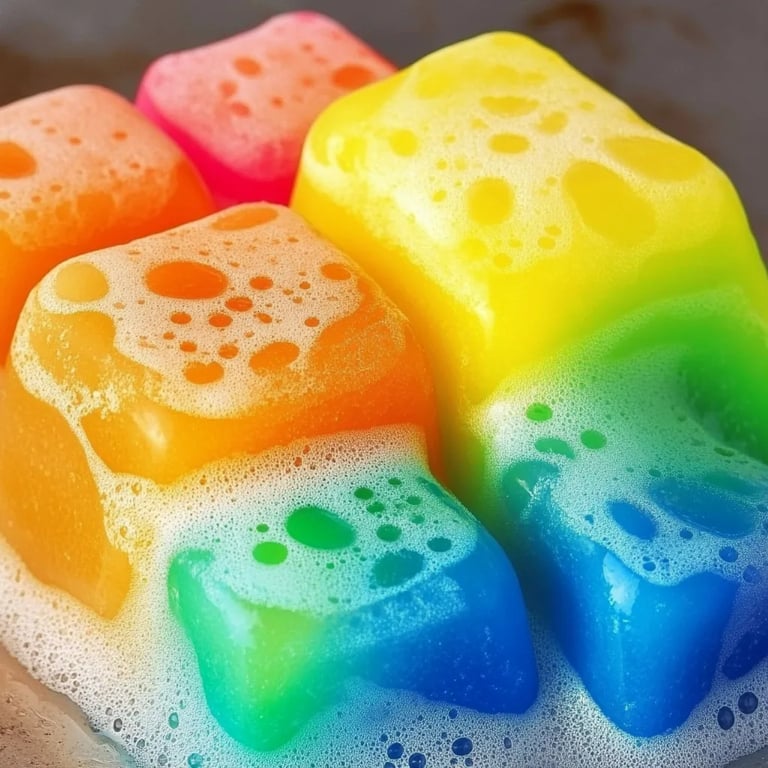
As an experienced crafter and lover of science, I’m thrilled to share one of my favorite DIY projects with you: the Rainbow Ice Experiment. This colorful activity combines the worlds of creativity and science, making it an excellent choice for classrooms, parties, or just a fun afternoon at home—especially during the hotter months when you want to cool off and have a little splashy fun!
The Rainbow Ice Experiment is not only visually stunning, but it also teaches scientific concepts like freezing points, color mixing, and temperature. It’s a fantastic way to engage children in hands-on learning while indulging in the joy of creativity. So, let’s dive into this delightful project and explore how to create your very own dazzling rainbow ice!
What You Need: Materials and Preparation
Before we get started, it’s essential to gather your materials and prepare for success. Here's what you will need:
Basic Materials
- Water: This will be your base for ice creation.
- Food Coloring: A variety of liquid food colors (red, orange, yellow, green, blue, purple). Gel colors can be used, but be cautious; they may not disperse in water as well.
- Ice Cube Trays: Standard plastic trays or silicone molds for various shapes.
- Freezer: Essential for making ice, of course!
Optional Materials
- Salt: To explore melting ice later on—a fun twist!
- Plastic Cups or Bowls: For assembling your rainbow ice sculptures.
- Spoons or Popsicle Sticks: For mixing colors.
- Dropper or Pipettes: For precise color application (especially useful for smaller kids).
- Clear Glass or Plastic Containers: To provide a lovely display of your rainbow ice.
Safety Precautions
Using food dye is generally safe, but it’s wise to wear an apron or old clothes to avoid stains. If you have very young kids, supervise them around the food colors and ensure they do not ingest non-food-safe items.
Step-by-Step Guide to the Rainbow Ice Experiment
Now that you have all your materials ready, it’s time to get crafting! Follow these steps carefully, and don’t hesitate—this is all about fun!
Step 1: Prepare Your Colored Water
- Fill several small bowls or cups with room temperature water. The amount depends on how many colors you want to create, but 1/2 cup per color works nicely.
- Tip: The temperature of the water doesn’t have to be exact, but warmer water may freeze faster if you’re in a rush. Heating a few seconds in the microwave or using lukewarm water can help.
- Add a few drops of each food coloring into your water cups. For vibrant colors, the general rule is 3-5 drops for smaller amounts of water.
- What Could Go Wrong: If you don’t mix well, you’ll end up with uneven color. Stir thoroughly until fully combined.
- Troubleshooting: If the shades are too light, add more food coloring until satisfied.
Step 2: Fill Ice Cube Trays
- Carefully pour the colored water into your ice cube trays or molds. Aim to fill each section about 3/4 full to allow for expansion as it freezes.
- Tip: Use a funnel or a measuring cup to avoid spills, especially when pouring a darker color.
- If you’re feeling experimental, try layering the colors for a beautiful gradient effect! Pour one color, freeze for about 30 minutes, then add a second color on top.
- Personal Anecdote: During my first attempt, I layered blue and yellow. When I removed the ice, it created a stunning green blend—a colorful surprise!
Step 3: Freeze the Ice
- Place your filled ice trays in the freezer. It generally takes about 4-6 hours for the ice to freeze completely, but I recommend waiting overnight to ensure it’s thoroughly frozen.
- Tip: Try to keep the trays level in the freezer to prevent spills.
Step 4: Remove and Explore!
- Once everything is frozen, pop the ice cubes out of the trays. You may need to run warm water over the bottom of the trays for easier removal—just be cautious not to let any water linger on them too long as it may start to melt!
- What Could Go Wrong: The ice may break or crumble if the trays are too flexible. Gently squeeze the sides to release the ice.
- Arrange your rainbow ice cubes in a clear bowl or on a plate, and observe how the colors blend together.
- Safety Warning: If using salt for melting, sprinkle just a small amount on top to watch a fun reaction—this is a great teaching moment about freezing and melting points!
Step 5: Creative Alternatives and Variations
- You can spice this up by making ice in different shapes or sizes! Consider using silicone molds shaped like animals or stars for an added fun factor.
- If you're feeling a bit adventurous, try adding edible glitter into the layers of colored water before freezing for a “sparkling” ice effect.
Final Touches
Encourage children to explore and interact with the rainbow ice. As it melts, provide paper towels for messes and talk about color mixing, chemical reactions, or even the physical properties of ice and water. The melting process can lead to beautiful swirls of color that can be mesmerizing!
Conclusion: Celebrate Your Creation
Creating rainbow ice is more than just a visual treat; it’s a blending of art and science, an opportunity for learning wrapped up in colorful fun. I hope this guide inspires you to embark on your own Rainbow Ice Experiment! Don’t hesitate to share your results and any variations you’ve tried. Remember, crafting is all about creativity and experimentation—embrace the mess and enjoy the journey!
Every time I watch the colors blend and melt, I am reminded of the joy that comes with creation. So go ahead, unleash your inner crafter, and enjoy each step of this magical process! Happy crafting!