Crafting Bioplastic Suncatchers: A Step-by-Step Guide to Brighten Your Space
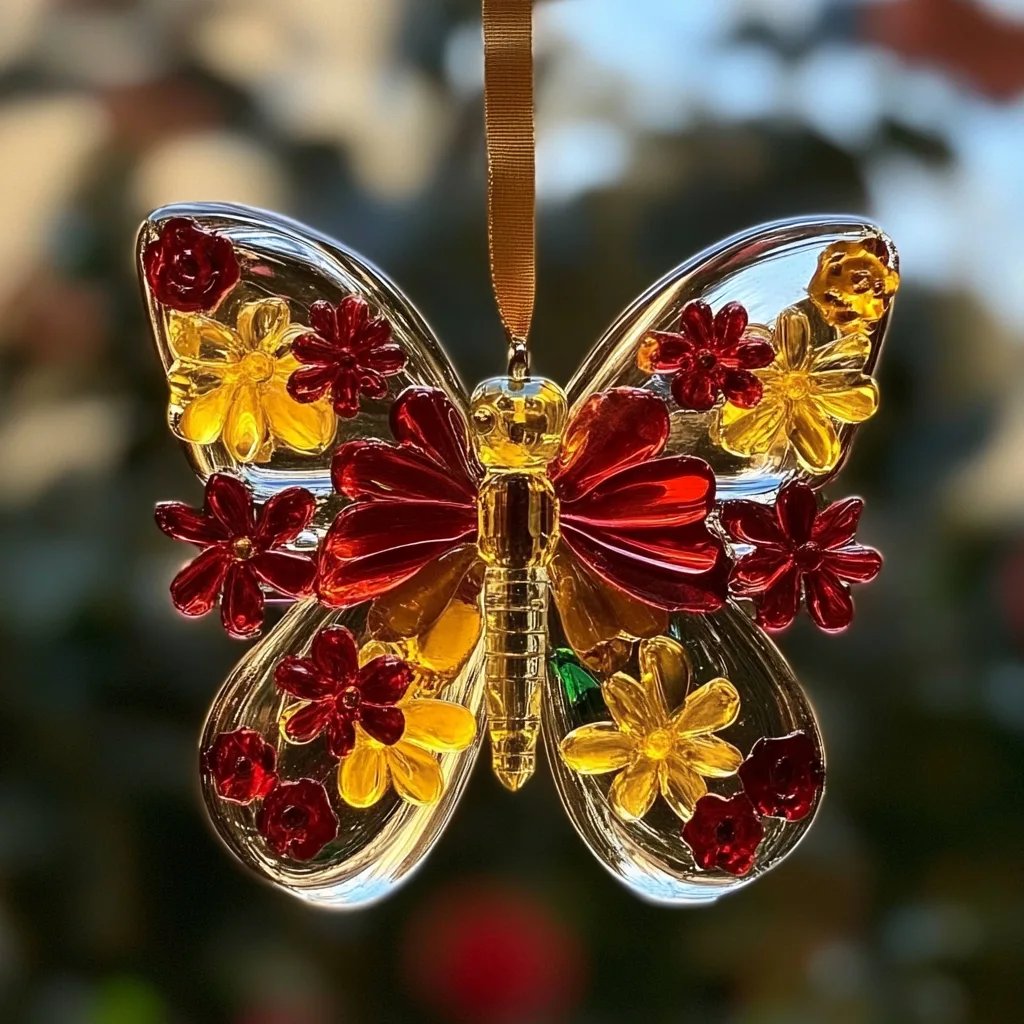
Hello, fellow crafters! I’m so excited to share with you today a project that’s close to my heart: making bioplastic suncatchers. Not only are these delightful creations beautiful to look at, but they’re also environmentally friendly, made from simple materials that you probably already have at home. If you’re looking to add a touch of color and charm to your windows while also participating in an eco-conscious crafting hobby, then you’re in the right place!
What Are Bioplastic Suncatchers?
Bioplastic suncatchers are colorful, translucent decorations made from biodegradable materials. When sunlight hits them, they cast vibrant colors and patterns, making them perfect for brightening up any room. These suncatchers are especially popular among parents and educators as a fun DIY project that teaches children about sustainability and creativity. They’re also commonly used for special occasions like birthday parties or seasonal decorations and can be customized in various shapes and sizes. Now let's get started!
Why Make Bioplastic Suncatchers?
- Eco-Friendly: Since we're using natural materials, this project is a sustainable choice that helps reduce plastic waste.
- Creative Outlet: You can let your imagination run wild! There are infinite designs, colors, and shapes, allowing for personalization.
- Educational: This project is a fantastic way to engage children in discussions about the environment, art, and chemistry.
Materials You’ll Need
- Cornstarch (1 cup) – This is your main ingredient. It’s the key to forming the bioplastic.
- Water (3 cups) – This will help dissolve the cornstarch.
- Glycerin (2 tablespoons) – This makes your bioplastic flexible and more durable.
- Food Coloring or Natural Dyes – For adding color to your suncatcher; feel free to experiment!
- Parchment Paper – A non-stick surface for drying your creations.
- A pot for mixing – Choose a medium-sized pot for cooking the mixture.
- Spoon or spatula – For mixing your ingredients.
- Cookie cutters or molds – To shape your suncatchers.
Step-by-Step Instructions
Step 1: Mixing the Ingredients
Why This Step Matters: The right proportions ensure a solid yet flexible bioplastic.
- In a medium-sized pot, combine 1 cup of cornstarch, 3 cups of water, and 2 tablespoons of glycerin.
- Stir the mixture continuously to avoid lumps. If lumps occur, you can use a whisk to break them up.
What Could Go Wrong: If you don’t stir enough, you may end up with a lumpy consistency.
Fix It: Just keep stirring, and if the lumps won’t break apart, you can transfer the mixture to a blender for a few seconds.
Step 2: Cooking the Mixture
Why This Step Matters: Cooking activates the cornstarch, turning it into the bioplastic that will mold beautifully.
- Place the pot over medium heat. Keep stirring as the mixture heats up.
- Within a few minutes, you’ll notice it beginning to thicken—almost like a custard. Keep going until it reaches a gel-like consistency.
What Could Go Wrong: Overcooking the mixture will make it too thick to pour.
Fix It: If this happens, simply add a little more water, stir well, and heat a bit more to re-establish the right texture.
Step 3: Coloring the Mixture
- Once thickened, remove the pot from the heat. Here’s where you can get creative!
- Add several drops of food coloring or natural dyes to achieve your desired color. Stir well to ensure an even color distribution.
Personal Anecdote: I once made a beautiful gradient suncatcher by adding different colors to each section as I poured the mixture. It turned out stunning!
Step 4: Pouring and Shaping
Why This Step Matters: This is where your design choices come into play.
- Lay a piece of parchment paper on a flat surface. Carefully pour or spoon the colored mixture onto the parchment paper. Use cookie cutters or molds to shape your suncatchers.
- To create holes for hanging, use a straw to punch out a circle at the top of each suncatcher before it hardens.
What Could Go Wrong: The mixture may spread too much or not fill the molds properly.
Fix It: Simply pour a little more mixture or use a spoon to redistribute it into the desired shape.
Step 5: Drying Your Suncatchers
Why This Step Matters: Proper drying ensures durability and prevents them from being overly sticky.
- Allow your suncatchers to dry for 24-48 hours. The drying time will depend on humidity levels in your area.
- To expedite the process, you can place them in a warm, dry spot with good airflow.
Alternative Method: If you’re short on time, you can pop them in the oven at a low temperature (around 200°F) for 1-2 hours, but keep a close eye on them!
Step 6: Final Touches
Once dried, carefully peel them off the parchment paper. You can layer different colors or finish edges with additional details like glitter or additional colors around the borders.
Tips for A Successful Craft
- Experiment with Texture: Try mixing in small bits of dried flowers or herbs for a unique look.
- Mix Colors: Layer different colors for dynamic designs.
- Use Templates: Print and cut out fun shapes like stars or hearts to outline your suncatchers.
Safety Warnings
While this project is generally safe, it's always a good idea to supervise children during the crafting process, especially when using a stove or oven. Glycerin is a natural substance, but it’s best to keep it away from eyes or mouths.
Conclusion
There you have it—your very own bioplastic suncatchers! Not only are they an eco-friendly crafting option, but they’ll also bring a splash of color to your windows and spark joy every time the sunlight hits them. I hope my tips, tricks, and personal insights serve you well in your crafting journey. Happy crafting, and may your suncatchers shine beautifully in the light!