Chromatography Butterflies: An Amazing Ultimate Guide to Transform Your Understanding
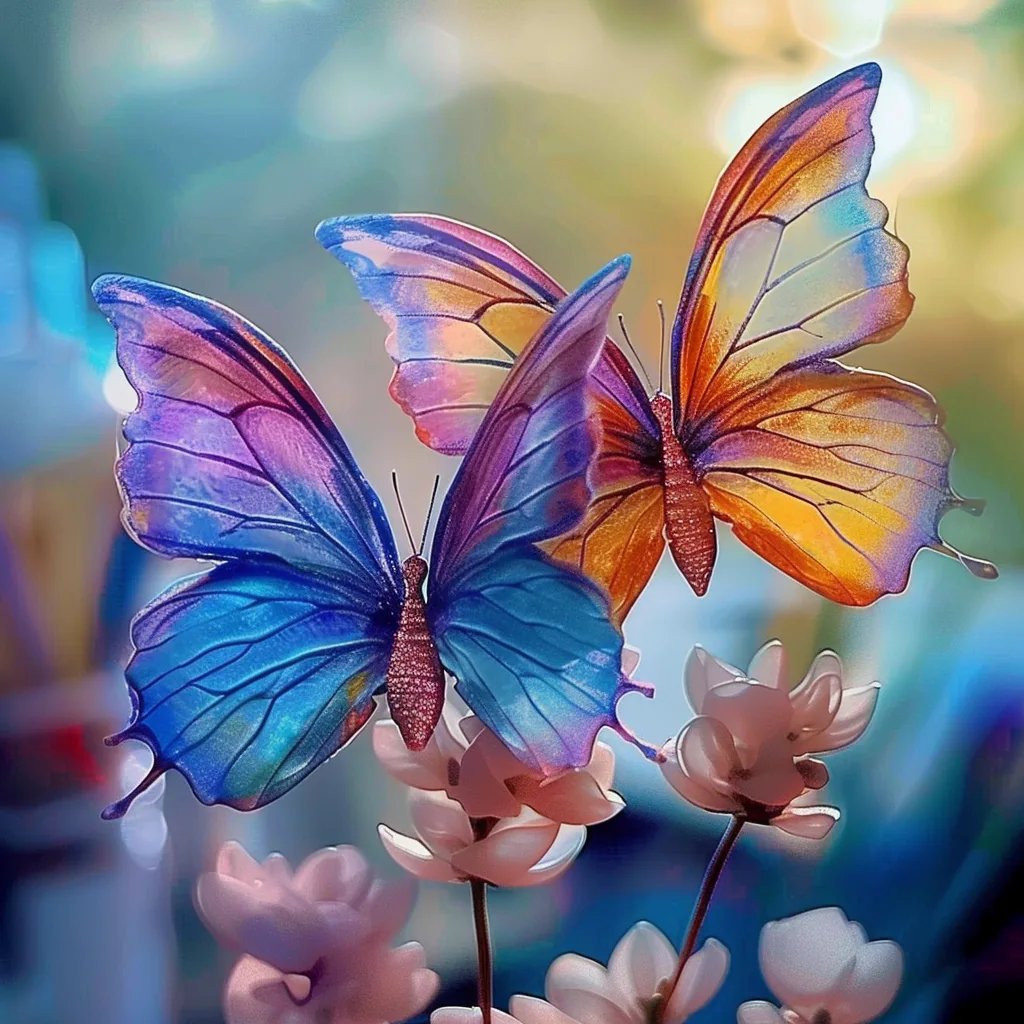
Chromatography butterflies often spark curiosity among science enthusiasts and learners alike. The term refers to the fascinating technique of chromatography, which allows us to separate mixtures into their individual components. This incredible method has applications spanning chemistry, biology, and even art, creating a visual display reminiscent of the delicate wings of butterflies. Learning about chromatography can be a delightful journey into the world of colors, compositions, and chemical interactions that unveil the hidden beauty of substances around us.
Whether you are a student, a teacher, or just a curious individual, understanding chromatography will transform your perception of the world. The interplay of colors produced during the chromatography process mirrors the intricate patterns found on butterfly wings, making for a stunning visual and educational experience. In this guide, we will explore the significance of chromatography, how it works, and why you should delve deeper into this fascinating scientific technique.
Understanding chromatography adds depth to your appreciation of natural phenomena and enhances your practical skills. Not only will you gain knowledge, but you will also develop an experimental mindset. Here, we will discuss what chromatography entails, including its various forms, uses, and the steps involved in performing chromatography experiments. You may find inspiration for future projects or studies that capture your imagination!
Why You’ll Love Chromatography Butterflies
Exploring chromatography is an enriching experience that embodies the essence of scientific inquiry. Here are several reasons why you'll love diving into chromatography butterflies:
- Visual Appeal: The separation of pigments creates stunning visual results, much like the vibrant patterns on butterfly wings.
- Hands-On Learning: Performing chromatography experiments fosters a hands-on approach, making learning interactive and engaging.
- Broad Applications: Chromatography is used in various fields, from pharmaceuticals to environmental science. This versatility is both practical and intriguing.
- Educational Value: Understanding chromatography helps deepen your grasp of chemical interactions and separation processes.
- Creativity: Chromatography can be an artistic medium. Many artists and educators use it to create beautiful, colorful art pieces.
- Scientific Methodology: Conducting chromatography experiments enhances your scientific reasoning and experimental design skills.
These factors highlight why many students and professionals find chromatography butterflies to be a captivating subject that combines aesthetics with science.
Preparation and Experiment Time
To perform a successful chromatography experiment inspired by butterfly colors, consider the time you’ll need for preparation and execution. Here’s a breakdown:
- Preparation Time: 15-30 minutes
- Experiment Duration: 30-60 minutes
- Drying Time: 1-2 hours (for dyes or pigments to fully dry)
These time frames can vary based on the complexity of the experiment you choose. The joy of chromatography lies not only in the results but also in the process of discovery!
Materials Needed
Gather the following materials to perform your chromatography butterflies experiment:
- Coffee filter paper or chromatography paper
- Various water-soluble markers or ink pens (e.g., washable markers)
- Beakers or cups (filled with water)
- Ruler
- Pencil
- Scissors
- Timer or stopwatch
- Paper towels
- Tweezers (optional)
These simple materials will help you conduct your chromatography experiment efficiently and effectively.
Step-by-Step Instructions
Follow these clear steps to create your chromatography butterflies:
- Cut the Paper: Take a piece of coffee filter or chromatography paper and cut it into a strip about 2 inches wide and 6 inches long.
- Mark the Paper: Use a pencil to lightly mark a line approximately 1 inch from the bottom of the paper strip.
- Apply Markers: Using different water-soluble markers, place small dots along the marked line, ensuring to space them evenly.
- Prepare the Water: Fill a small beaker with approximately 1 inch of water. Make sure the water does not exceed the mark line when you place the paper in the water.
- Dip the Paper: Carefully place the bottom of the paper strip into the water. Observe as the water moves up the paper, carrying the colors and separating them.
- Time the Experiment: Start your timer and allow the colors to travel up the paper until they reach about an inch below the top edge.
- Remove the Paper: Take the paper out of the water and lay it flat on a paper towel to dry completely. You can use tweezers to avoid touching the wet paper.
- Analyze the Results: Once dried, note the different colors that spread across the paper. These colorful patterns will resemble butterfly wings.
- Create Variations: Experiment with different inks or techniques, like using varying amounts of water to see how it affects the separation.
- Document Your Findings: Take notes or photographs of the patterns created for future reference.
These straightforward steps will guide you in creating beautiful chromatography butterflies that represent the beauty of science through colors!
How to Serve
Presenting your chromatography butterflies can make them even more compelling. Here are some suggestions for showcasing your colorful creations beautifully:
- Display: Frame the dried chromatography paper or mount it on colored cardstock to create a vibrant display piece.
- Exhibit: Organize a mini-exhibition with your family, classmates, or peers to showcase your chromatography art.
- Gifting: Create custom cards or bookmarks using the chromatography patterns as personalized gifts for friends or teachers.
- Class Projects: If you're a student, consider presenting your chromatography findings in a science fair or classroom setting to inspire others.
- Creative Art: Use the chromatography results as inspiration for painting or drawing exercises that explore color and design.
By thoughtfully presenting your chromatography butterflies, you can elevate both the aesthetic and educational experience for yourself and others. The world of chromatography is broad and full of wonders, and the colors you create reflect the beauty of science in our everyday lives!
Additional Tips
- Choose the Right Paper: Use high-quality chromatography paper to ensure clear and distinct results. This will enhance the separation of colors during the process.
- Experiment with Solvents: Different solvents (like isopropyl alcohol or vinegar) can yield varied results. Explore how changing the solvent can impact the separation of colors.
- Use Different Markers: Explore the effect of various brands and types of markers. Water-soluble markers from different brands may separate differently due to variations in their composition.
- Observe Carefully: Take time to watch the experiment unfold. Observing the progression of colors can provide insights into how molecules interact.
- Document Your Work: Keep a journal of your chromatography experiments, noting the colors, materials used, and any variations. This will help you refine your techniques for future experiments.
Recipe Variation
Feel free to explore different chromatography experiments using these variations:
- Mixed Solutions: Combine two or more colors from different markers at the starting line to see how they blend and separate during the process.
- Layered Techniques: Use thicker lines of ink to create layered chromatography butterflies. Observe how this thickness affects color diffusion.
- Natural Dyes: Use natural materials like fruits, vegetables, or spices (like turmeric or beet juice) as pigments. This can provide a fascinating twist on traditional methods.
- Different Paper Types: Experiment with various types of paper (like basic paper versus filter paper) to see how they influence the end results.
Freezing and Storage
- Storage: Store the dried chromatography results in a flat, dry place, ideally between sheets of wax paper to avoid smudging.
- Freezing: Chromatography results cannot be frozen, but keep a record of your best experiments with photographs for future reference.
Special Equipment
To conduct your chromatography butterflies experiment successfully, you may need the following equipment:
- Pencil: For marking the line on the chromatography paper.
- Timer: To track the duration of your experiment accurately.
- Tweezers: Optional, for handling the wet chromatography paper gently and avoiding smudges.
Frequently Asked Questions
What types of markers work best for chromatography?
Water-soluble markers work best as they dissolve in water and allow for better separation of colors.
Can I use permanent markers for chromatography?
Permanent markers generally do not work well for chromatography since they resist dissolving in water. Stick to water-based options for optimal results.
Is it safe to conduct chromatography at home?
Yes, chromatography is safe to conduct at home as long as you use non-toxic markers and have adult supervision when necessary.
How can I improve my chromatography results?
Improve results by experimenting with different solvents, markers, and techniques. Observing and documenting your process will allow you to refine your approach.
What should I do if the colors don’t separate well?
Ensure that the line of ink is not too thick, as this can prevent proper separation. Additionally, verify that the solvent used is appropriate for the pigments you've chosen.
Conclusion
Embarking on the journey of chromatography butterflies opens up a world of color, creativity, and scientific discovery. This engaging process not only builds a deeper understanding of mixtures and chemical interactions but also enriches your aesthetic appreciation of science. Exploring chromatography provides both educational and artistic experiences. With a variety of techniques, materials, and applications, you have the opportunity to create your own unique masterpieces inspired by the elegance of butterfly wings.
As you experiment, you will learn more about the chemistry behind everyday materials and enhance your skills in observation, documentation, and creativity. Chromatography butterflies reflect the beauty of science, encouraging curiosity and innovation.