Chia Seed Sensory Bin: An Incredible Ultimate Guide
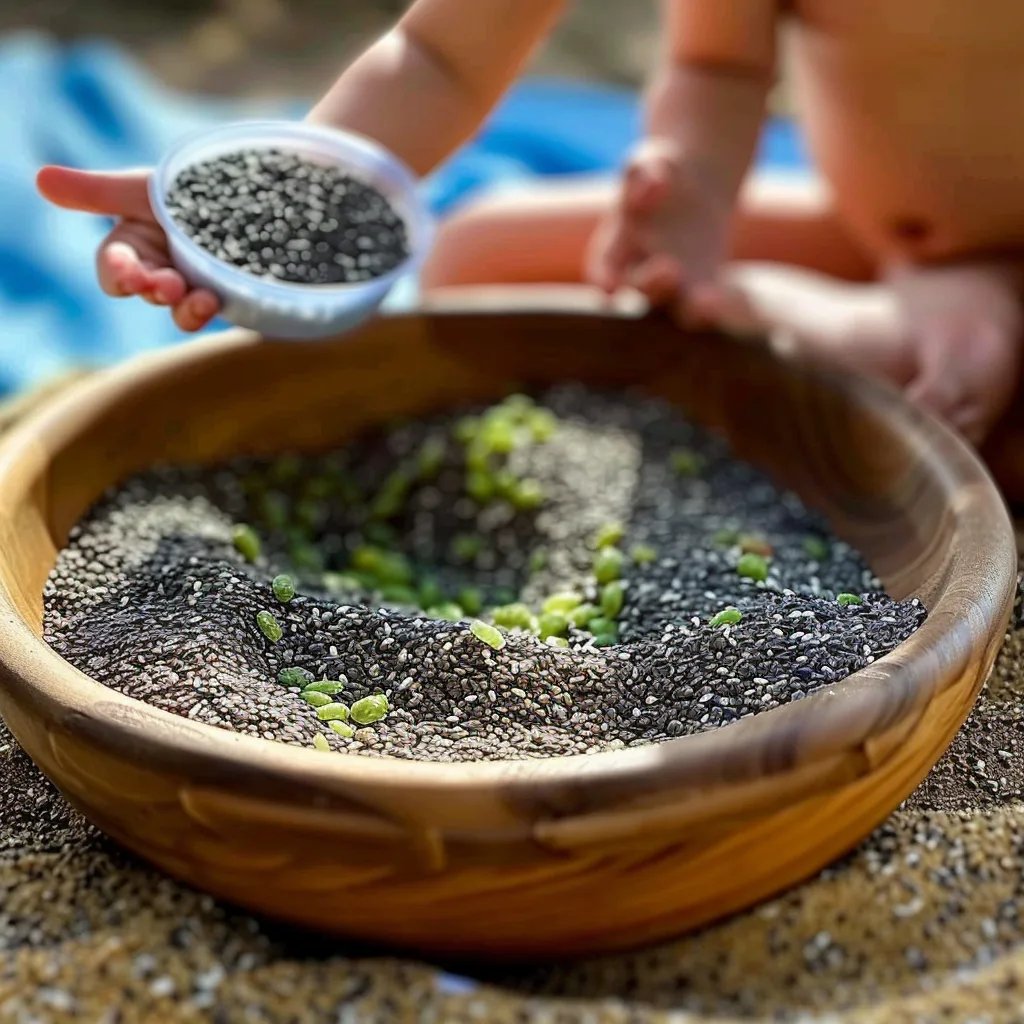
Chia Seed Sensory Bin is an amazing way to engage children's senses while promoting tactile exploration. This unique sensory experience offers endless opportunities for play and learning, making it a fantastic option for parents and educators alike. As the tiny seeds tumble through little fingers, they capture a world of curiosity and creativity. This sensory bin is not only fun but also provides numerous developmental benefits, from fine motor skills to sensory awareness.
Imagine the joy on a child’s face as they discover the unique texture of chia seeds, reminiscent of tiny pebbles or jellylike beads. As they pour, scoop, and sprinkle, they learn about cause and effect, spatial awareness, and creativity without the pressures of a structured environment. Whether you are preparing this for a classroom, a playdate, or simply at home, the Chia Seed Sensory Bin is sure to impress and inspire little minds.
In this detailed guide, we will explore why you will love creating this sensory bin, how to prepare it, and the materials you require. Stand by as we embark on an incredible sensory adventure that promises to spark joy and unleash creativity in every child who interacts with it!
Why You’ll Love This Recipe
Chia Seed Sensory Bin is an exciting and educational activity that offers myriad benefits for children. Here are a few fantastic reasons why you’ll appreciate this sensational sensory experience:
- Educational Value – Children learn through play! Engaging with chia seeds encourages exploration, discovery, and learning about textures and sensory experiences.
- Low-Cost Option – This activity doesn’t break the bank! Chia seeds are affordable and can often be purchased in bulk.
- Easy Preparation – You don’t need extensive materials or complicated steps; this sensory bin can be set up quickly and easily.
- Promotes Fine Motor Skills – Scooping, pouring, and manipulating the seeds develops coordination and dexterity.
- Sensory Exploration – Kids develop their senses as they interact with the seeds. The distinct texture and feel of the seeds stimulate tactile senses.
- Creatively Open-Ended – The sensory bin fosters imagination. Children can create, build, or even come up with unique scenarios during playtime.
With these incredible benefits in mind, you can see how a Chia Seed Sensory Bin becomes an essential activity for enriching early childhood development.
Preparation and Cooking Time
Setting up a Chia Seed Sensory Bin is super simple and requires minimal time. Here’s an overview of how long it will take to create this delightful sensory setup.
- Preparation Time: 15 minutes
- Activity Time: Variable (depends on child engagement and playtime)
Overall, you can expect an upper limit of about 30 minutes from preparation to full sensory engagement. This short setup time allows you to easily create a stimulating environment that can captivate children for hours of play!
Ingredients
- Chia seeds (1-2 cups, depending on the size of the bin)
- Water (for soaking the chia seeds)
- A sensory bin or large plastic container
- Scoops, cups, or small buckets (for pouring)
- Textured materials (such as sand, rice, or dried beans)
- Small scooping tools (like measuring spoons)
- Optional: plastic animals, toys, or natural objects (like pinecones or leaves)
Step-by-Step Instructions
Creating a Chia Seed Sensory Bin is straightforward. Follow these steps to prepare your bin and enjoy limitless playtime.
- Soak the Chia Seeds: Begin by soaking the chia seeds in water. Start with a 1:10 ratio (1 part chia seeds to 10 parts water) in a bowl. Let sit for about 30 minutes. They will expand and create a jelly-like consistency.
- Choose Your Bin: Select a suitable sensory bin or large plastic container to hold the seeds and additional materials.
- Combine Seeds and Materials: Once the chia seeds have gelled, pour them into the sensory bin.
- Add Textured Bases: If desired, layer the bottom of the bin with other textured materials such as sand, rice, or dried beans for additional sensory exploration.
- Set Up Scoops and Toys: Incorporate scoops, cups, and additional toys or natural objects into the bin to enhance play.
- Invite Exploration: Encourage children to explore! Remind them to touch the seeds, pour them, and create as they immerse themselves in this sensory experience.
These steps will ensure that the Chia Seed Sensory Bin provides an engaging and enlightening experience for children.
How to Serve
Displaying the Chia Seed Sensory Bin thoughtfully can enhance the experience for children. Here are some tips on serving and presenting your sensory bin:
- Create an Inviting Space: Set the bin up in a well-lit, spacious area where children can comfortably sit or kneel. Using a tray can help contain any mess.
- Encourage Open Play: Allow children to engage at their own pace! Give them the freedom to experiment with pouring, scooping, and mixing.
- Introduce Themes: Add seasonal or themed elements, such as small holiday-themed toys or natural objects during different seasons to keep interest high.
- Monitor Safety: Always supervise young children during play and ensure they do not place small items in their mouths.
- Cleanup Time: After play, involve children in cleanup to teach responsibility. Use a broom or a handheld vacuum for easy tidying up.
By following these tips, you ensure that the Chia Seed Sensory Bin provides a rewarding, immersive experience that sparks joy and curiosity in every child.
Additional Tips
- Engage All Senses: Add scented elements like essential oils or natural fragrances to enhance the sensory experience even further.
- Change the Environment: Consider moving the sensory bin outdoors on a dry day for a new experience with natural sunlight and fresh air.
- Limit Distractions: Reduce background noise or disruptions to help children focus entirely on their sensory play.
- Incorporate Learning: Discuss the life cycle of chia plants or the nutritional benefits of chia seeds while playing for an educational twist.
- Extend Playtime: Add challenges, such as timed pouring races or color-sorting games, to give children structured tasks that are still fun.
Recipe Variation
Explore these exciting variations to maximize the fun and learning:
- Colored Chia Seeds: Mix in food coloring to the soaking water for vibrant shades, adding visual interest and excitement.
- Themed Sensory Bins: Create seasonal bins, like a winter wonderland with white chia seeds, glitter, and tiny snowflakes or summer themes with bright colors and sea creature toys.
- Nature Exploration: Incorporate natural objects that children can observe and discuss, such as leaves, rocks, or flowers that provide a connection to the natural environment.
- Chia Seed Art: Set aside small, sticky craft paper where children can form shapes or letters using the wet chia seeds, combining art and sensory experiences.
Freezing and Storage
While the Chia Seed Sensory Bin is a consumable setup when it comes to play, certain aspects may be stored for a time:
- Storage: If any chia seeds remain in the bin, they can be stored in an airtight container for up to a month. However, it is best to prepare fresh seeds as the texture is ideal during play.
- Freezing: It's preferable not to freeze chia seeds after soaking because the gel-like consistency doesn't hold up well. Plan to prepare anew for each play session.
Special Equipment
Though the setup is simple, having the right equipment can streamline the process:
- Measuring Cups: Essential for precise amounts of chia seeds and water.
- Large Plastic Container: A spacious bin provides plenty of room for play without overflowing.
- Scoop and Pour Tools: These might include small buckets, cups, or ladles that allow children to explore size and volume in play.
- Sifting Tools: A small sieve can add an additional layer of exploration as kids sift through materials.
Frequently Asked Questions
Can chia seeds be reused after play?
It's best to use fresh chia seeds for each session, as they lose their texture once played with.
How can I make the sensory bin more visually appealing?
Integrating colored materials or thematic objects can make the setup more enticing and engaging.
Are chia seeds safe for all ages?
Chia seeds are safe for most kiddos, but always check for any potential allergies and supervise during play to prevent ingestion.
What if my child doesn’t want to engage with the sensory bin?
Encourage engagement by participating yourself or introducing games that require interaction.
Can I use organic chia seeds?
Absolutely! Organic chia seeds can enhance the sensory experience with a focus on healthy, natural ingredients.
Conclusion
Creating a Chia Seed Sensory Bin is an adventure filled with exploration, learning, and fun. The unique texture of chia seeds combined with imaginative play opens a world of possibilities for children. Not only does it support developmental skills, but it also ignites curiosity and creativity. With simple preparation and countless variations, this sensory bin will become a cherished activity for kids and adults alike!