Balloon Science Experiment: Unleashing the Joy of Learning with a Touch of Fun
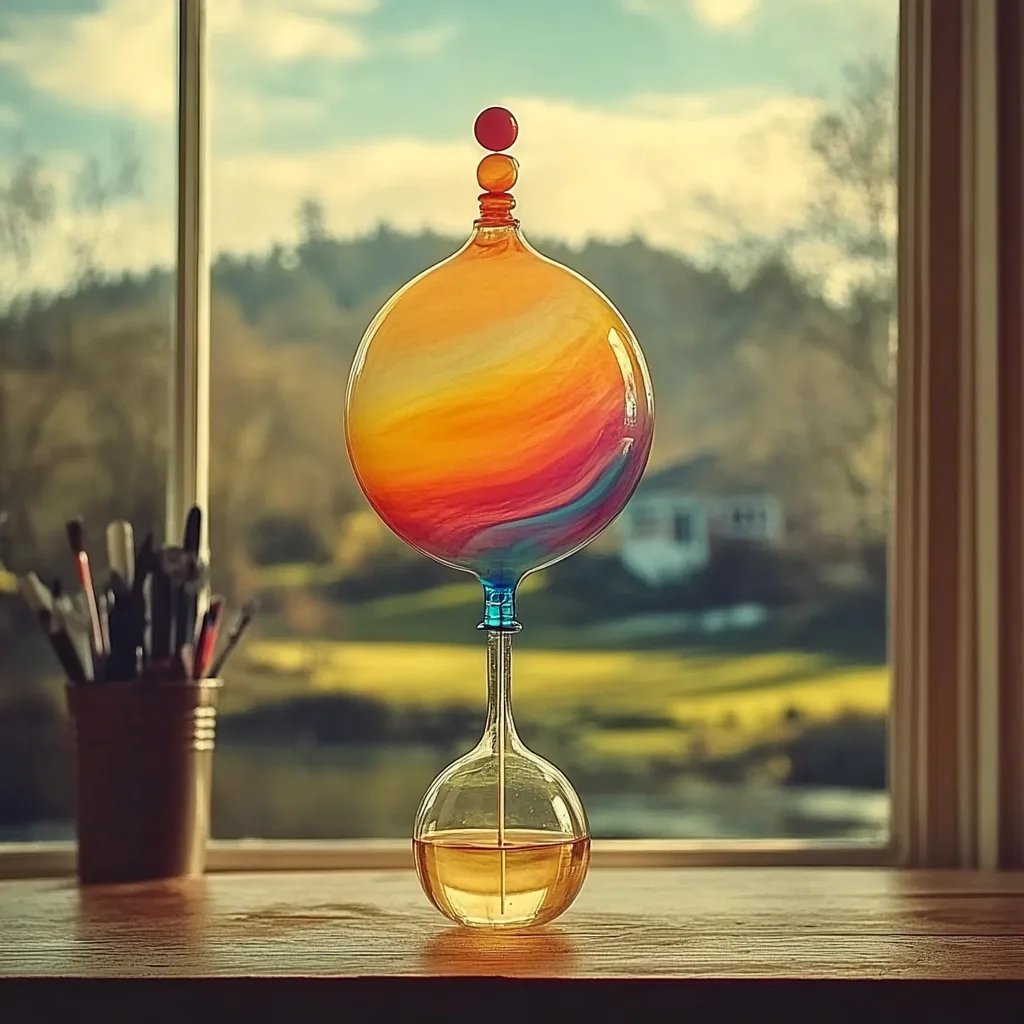
Hello, fellow crafters and curious minds! 🌟 Today, I’m thrilled to share one of my absolute favorite science experiments that combines a sprinkle of creativity with the wonders of science—my Balloon Science Experiment! This engaging activity is not only a fantastic way to explore basic scientific principles, but it also serves as a captivating educational project for kids and adults alike. Whether you’re looking to spice up a family gathering, a birthday party, or even a classroom setting, this balloon experiment is sure to be a hit!
Why Balloon Science is So Popular
Balloon experiments have gained popularity for several reasons. Firstly, they are incredibly visually appealing; who doesn’t love the sight of vibrant balloons floating around? Secondly, they introduce fundamental concepts such as chemical reactions, gas expansion, and physics in a straightforward, hands-on manner. Lastly, they are infallibly fun—something I think is essential for any educational experience. Kids (and many grown-ups!) can hardly contain their excitement when they see the magic of balloons in motion.
What You’ll Need: Simple Materials for Big Fun
Let me guide you through the list of materials you’ll need for this experiment. I promise you won’t have to venture out to a specialty store to gather these items. Most of them you might already have at home!
Basic Materials:
- Balloon (any color will do!)
- Plastic bottle (empty soda or water bottle)
- Baking soda (about 1 tablespoon)
- Vinegar (around 1/2 cup)
- Funnel (or a piece of paper shaped into a funnel)
- Safety goggles (for protection)
- Measuring spoons
- Tissue or paper towel (for cleanup)
Optional Materials:
- Colored food dye (for added fun)
- Small toy figurines to pop into the experiment for added excitement
Step-by-Step Tutorial: Let’s Get Started!
Now, let’s dive into the joyful world of balloon science!
Step 1: Prepare the Balloon
The first step is to prepare your balloon. Take your balloon and, if you want to add some color, consider adding a few drops of food dye into it. This step is purely optional but can make your experiment even more visually appealing!
Why this matters: The balloon serves as the vessel for our gas, which is a critical part of this experiment. In this step, we ensure that it is properly prepped for the next phase.
What could go wrong: If the balloon has a hole, it will not inflate properly. Always check it for any imperfections before moving on.
Step 2: Prepare the Bottle
Using your funnel, add about 1 tablespoon of baking soda into the balloon. If you don’t have a funnel, you can roll a piece of paper into a cone shape.
Next, pour about 1/2 cup of vinegar into your plastic bottle.
Why this matters: The baking soda and vinegar will create a chemical reaction that produces carbon dioxide gas—this gas is what will inflate the balloon!
What could go wrong: If you add too much baking soda or pour vinegar directly into the balloon, it may cause a mess. Precision is key here!
Step 3: Combine the Ingredients
Once you have your baking soda in the balloon and the vinegar in the bottle, it’s time for the magic moment! Carefully stretch the opening of the balloon over the mouth of the bottle without letting any of the baking soda fall in just yet.
Why this matters: This step is crucial because the moment the baking soda meets the vinegar, the reaction will start, so we want to control the timing of this process.
What could go wrong: If the balloon detaches from the bottle, it could result in a mess. Make sure the connection between the balloon and bottle is secure.
Step 4: Let the Experiment Begin!
When you’re ready, lift the balloon so the baking soda falls into the vinegar. Step back and watch the magic happen!
Why this matters: You’re now witnessing a fascinating chemical reaction producing carbon dioxide, which expands and inflates the balloon!
What could go wrong: If nothing happens, it may indicate that you did not use enough reactants or there’s a hole in the balloon letting the gas escape.
Tips and Tricks for Success
- Variation: Try different sizes of balloons to observe how the amount of gas produced changes the balloon's inflation. It’s a fun way to test concepts like volume and gas expansion!
- Safety: Always wear safety goggles when doing experiments that involve chemical reactions. It’s a good habit to form!
- Cleanup: Be prepared for a bit of a mess with the vinegar, especially if you’ve over-poured. A tissue or paper towel can quickly help clean up any spills.
Personal Anecdote
I remember the first time I conducted this balloon experiment with my little nephew. He was about 6 years old, and the look on his face when the balloon inflated was absolutely priceless! It was one of those magical moments where learning became synonymous with fun. We even went on to create variations with colored water in the balloons and conducted mini "scientist" presentations for our family.
Alternative Methods and Ingredient Substitutions
If you’re out of vinegar or baking soda, you can use different combinations. For instance, mixing lemon juice with baking soda yields similar results! Just ensure the acidic component is strong enough to create a reaction.
Final Thoughts: Embrace the Joy of Science!
I hope this detailed guide on the Balloon Science Experiment inspires you to bring a bit of magic into your home or classroom! Encourage curiosity and creativity; after all, science is just another method of crafting! Remember to experiment, be patient, and don’t dread mistakes—they are just stepping stones to greater understanding.
So gather your materials, don your safety goggles, and prepare to have fun while learning! There may be a few ups and downs along the way, but I assure you the satisfaction you’ll feel at the end will be well worth it. Happy experimenting, and may your balloons soar high! 🎈