An error occurred while fetching the result.
Additional Tips
- Use Safe Ingredients: Make sure to use non-toxic materials for your volcano experiment. Common baking soda and vinegar are safe options for a home experiment.
- Pre-measure Ingredients: Having all your ingredients ready before you begin will help keep your experiment organized.
- Conduct Experiments in a Controlled Area: Choose a space that can get messy, as the eruption may overflow. This will make cleanup easier afterward.
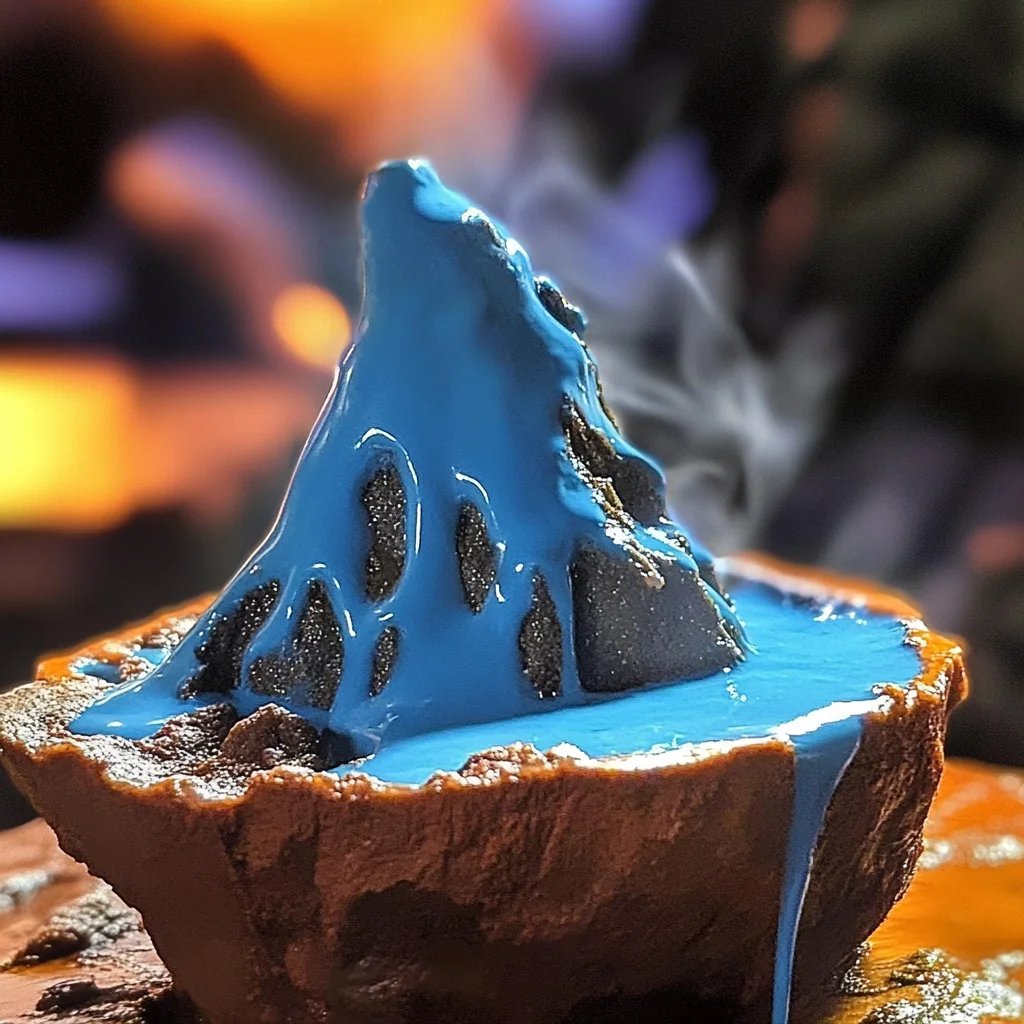
- Experiment with Colors: Add food coloring to your vinegar to create a colorful volcanic eruption. This adds a fun visual element!
Recipe Variation
It's always exciting to explore different variations of your volcano experiment. Here are some options to consider:
- Different Eruption Materials: Instead of baking soda and vinegar, try using dish soap with baking soda and colored water for a different type of reaction.
- Add Glitter or Confetti: For a dramatic effect, add some biodegradable glitter or confetti to the top of your volcano to enhance the visual experience.
- Change the Volcano Shape: Instead of a traditional cone shape, try making a flat volcano or adding extra features like a crater or streams using clay or play dough.
Freezing and Storage
- Storage: If you have leftover materials, keep them in a cool, dry place. Most of your ingredients like baking soda and vinegar can last indefinitely if stored properly.
- Experiment Cleanup: Once the experiment is completed, clean the volcano structure with warm soapy water to ensure it's ready for the next use.
Special Equipment
To conduct your volcano experiment effectively, here are the essential tools you'll need:
- Clear plastic or glass container to act as the volcano cone.
- Baking soda, vinegar, and food coloring for the eruption.
- Tray or large dish to catch the overflow.
- Optional: Assorted craft supplies (like clay or papier-mâché) to create a more elaborate volcano design.
Frequently Asked Questions
What is the science behind the volcano experiment?
The volcano experiment simulates an eruption by creating a chemical reaction between baking soda (a base) and vinegar (an acid). This reaction produces carbon dioxide gas, which creates the bubbling lava effect.
Can I scale this experiment for a larger group?
Absolutely! You can prepare multiple containers for each participant, allowing everyone to create their own volcano.
Is this experiment safe for children?
Yes, the ingredients used are safe and non-toxic. Supervision is recommended to guide children during the experiment.
Can I add scents to the eruption?
You can add a few drops of essential oils to the vinegar for a scented eruption, creating a more engaging experience.
How often can I repeat the experiment?
You can repeat the experiment multiple times with fresh ingredients. Just ensure that your materials are in good condition.
Conclusion
The Volcano Experiment offers a fun and educational opportunity to explore science. It engages participants in hands-on learning while providing a visually exciting eruption. This experiment can foster curiosity about chemical reactions and the nature of volcanoes in a safe and enjoyable way.